Types of Men’s Underwear Explained: Briefs, Trunks, Boxers, Boxer Briefs
Walk into a store or open an online shop and you’ll see a wall of options: briefs, trunks, boxers, boxer briefs, and more. They look similar on the shelf but feel very different in daily wear. This guide to the types of men’s underwear explains what each style is, who it suits, and how to choose, so you can stop buying on habit and start buying on fit.
In This Guide
- The Four Main Types at a Glance
- Briefs
- Trunks
- Boxers
- Boxer Briefs
- Other Styles Worth Knowing
- How to Choose by Situation
- Fabric Matters as Much as Style
- FAQs
The Four Main Types at a Glance
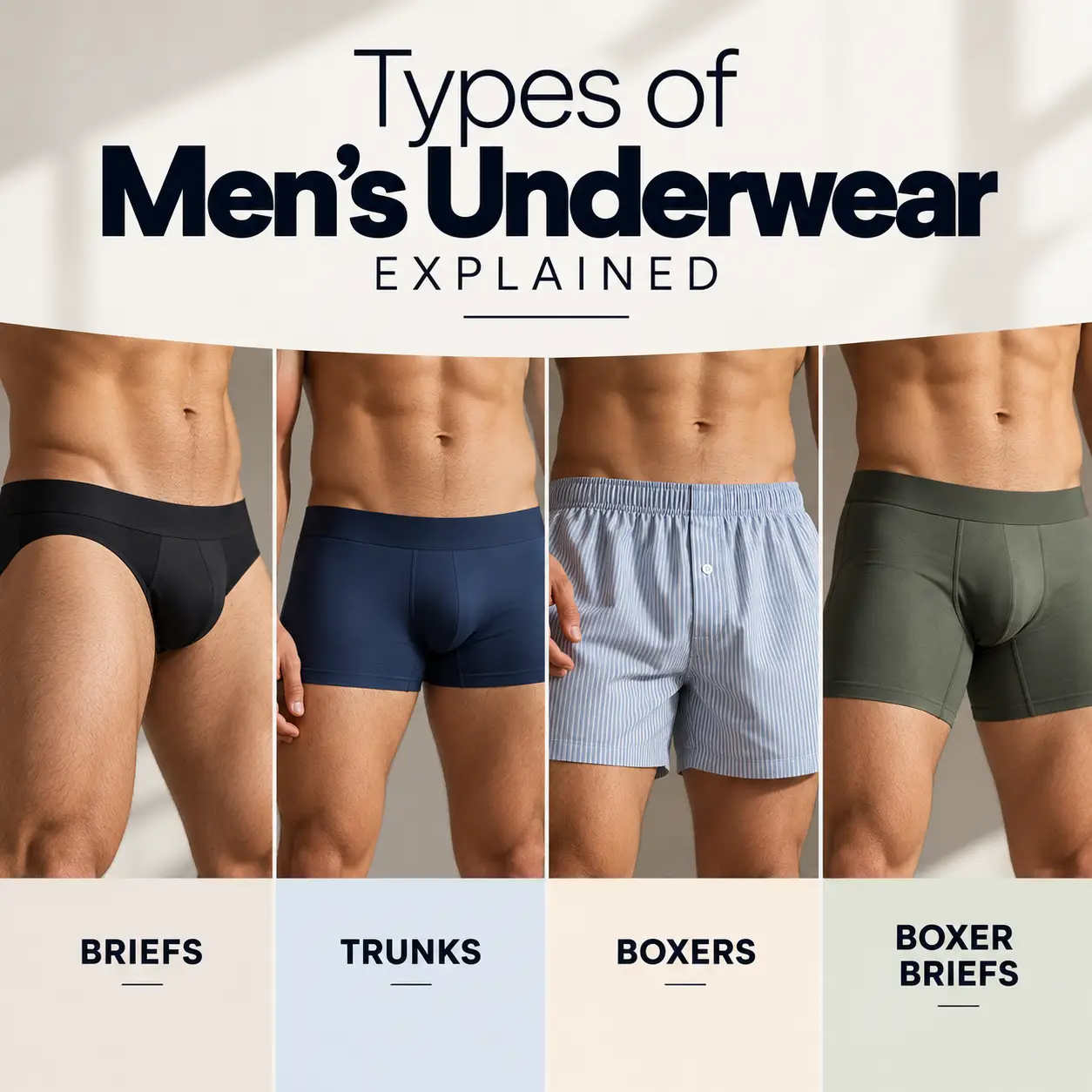
| Style | Leg coverage | Fit | Support | Best for |
|---|---|---|---|---|
| Briefs | None | Close and snug | High | Support, fitted trousers, hot weather |
| Trunks | Short | Close and snug | High | Everyday wear, versatile use |
| Boxers | Loose, mid-thigh | Loose | Low | Sleep, lounging, relaxed wear |
| Boxer briefs | Longer, to mid-thigh or more | Close and snug | High | Active days, extra coverage |
Briefs
Briefs are the classic close-fitting style. They have full coverage at the back, a snug fit through the hips, and no fabric extending down the leg. Because there’s so little excess material, briefs are known for support and a low profile under clothes.
- Pros: strong support, minimal bulk, no visible leg line, and a cooler feel in hot weather.
- Cons: some people find the leg openings less comfortable for repetitive motion, and they offer the least coverage of the close-fit styles.
- Best for: office wear, fitted trousers, travel, and anyone who prefers support over coverage.
Trunks
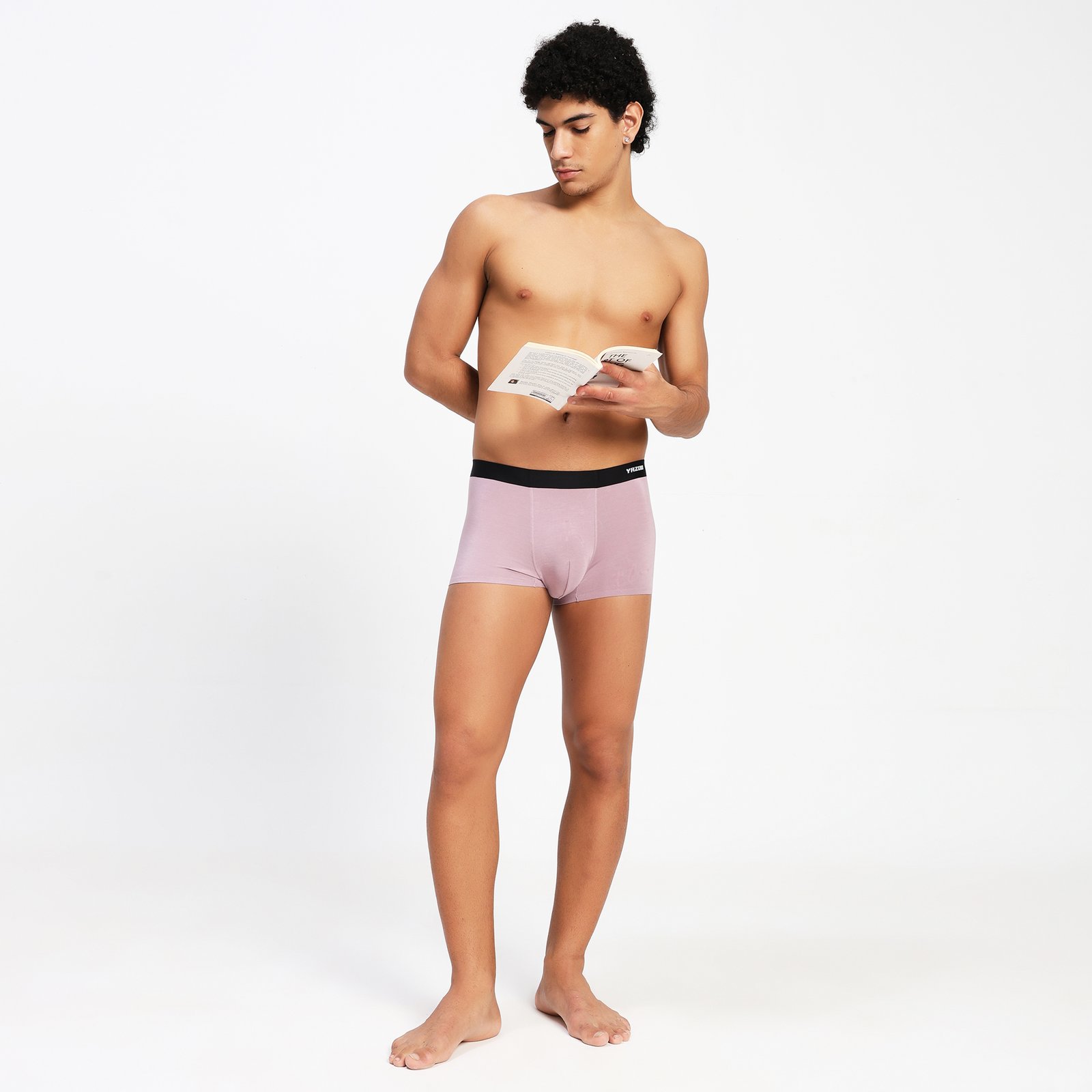
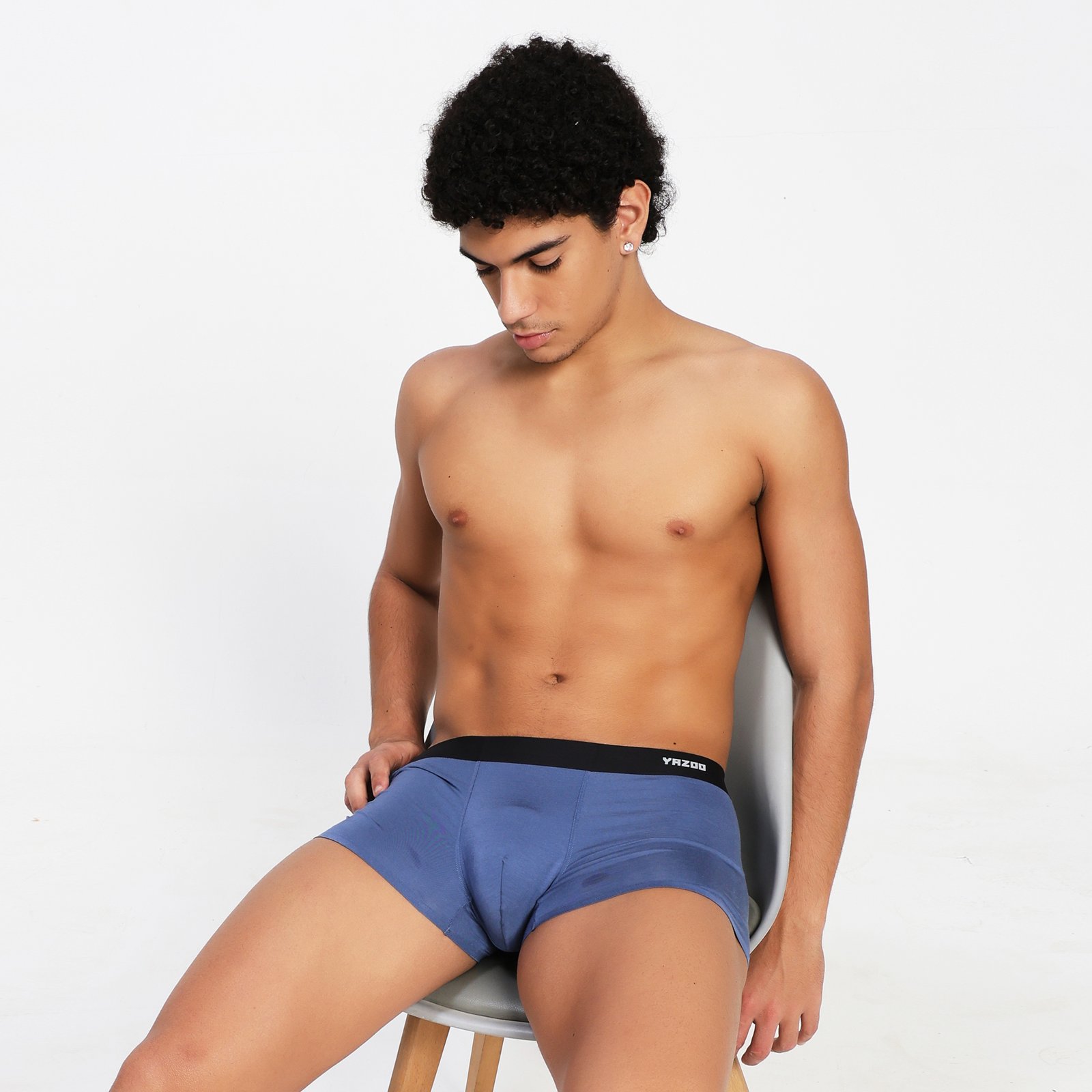
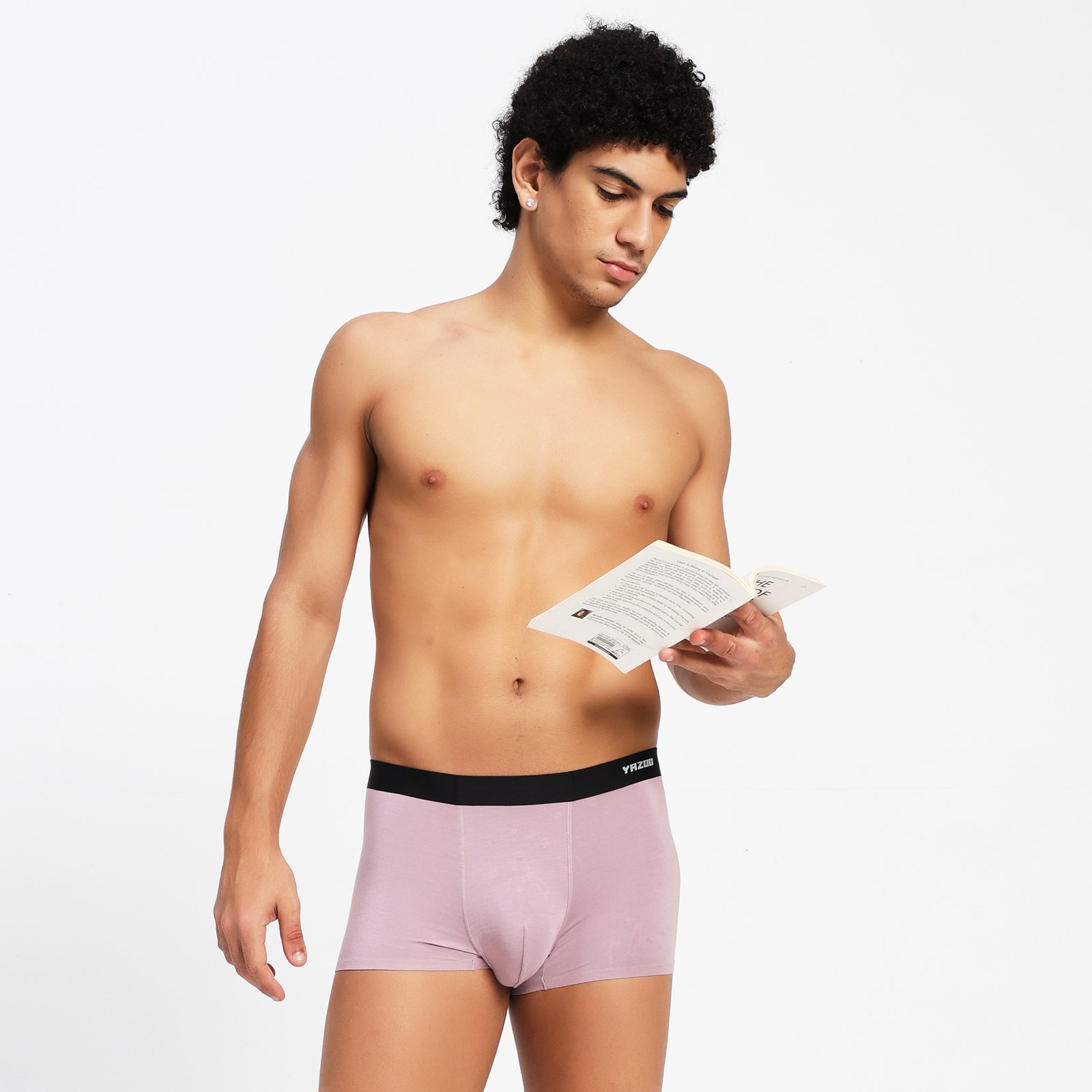
Trunks sit between briefs and boxer briefs. The leg is short, usually ending a couple of inches down the thigh, with a straighter, squared-off opening. They combine the snug fit and support of briefs with a bit more coverage, which is why they’ve become a popular everyday choice.
- Pros: supportive, more coverage than briefs, and a modern leg line.
- Cons: slightly more fabric than briefs, which can show a faint line under very tight clothing.
- Best for: everyday wear, workouts, and people who want balance between support and coverage.
Our full briefs vs trunks comparison goes deeper on these two.
Boxers
Boxers are loose, usually woven shorts with a wide leg and often a button or open fly. They’re the least restrictive style, which makes them airy and relaxed.
- Pros: very comfortable for lounging and sleep, and they allow plenty of airflow.
- Cons: minimal support, and the loose fabric can bunch or ride up under fitted trousers.
- Best for: sleeping, relaxing at home, and wearing under looser clothing.
Boxer Briefs
Boxer briefs combine features of both boxers and briefs. They have the longer leg of a boxer but a fitted cut like a brief, so you get support with more thigh coverage.
- Pros: strong support, extra coverage, and less thigh friction during movement.
- Cons: more fabric means more warmth in very hot or humid weather, and the longer leg can show under shorts or fitted trousers.
- Best for: active days, sports, and people who dislike their legs rubbing together.
Other Styles Worth Knowing
Beyond the main four, you’ll come across a few others:
- Bikini or low-rise briefs: sit lower on the hips with a smaller cut and less coverage than standard briefs.
- Jockstraps: designed mainly for athletic support, particularly in contact or high-impact sports.
- Thermal or long underwear: longer, warmer layers designed for cold weather.
These suit specific uses, but most men’s everyday rotation comes down to the four main styles above.
How to Choose by Situation
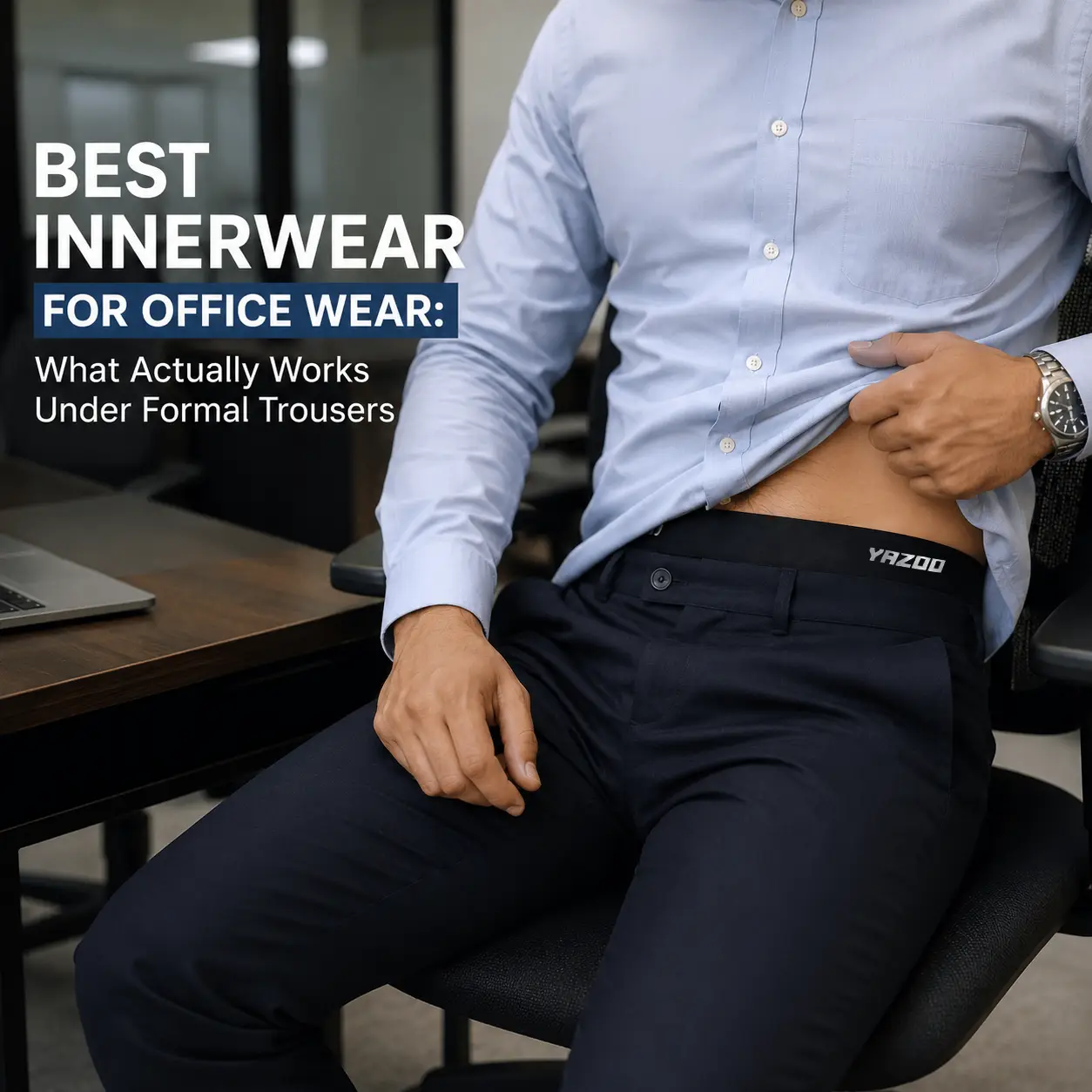
- Office and formal wear: briefs or trunks, ideally seamless, to avoid visible lines under trousers. See our guide to innerwear for office wear.
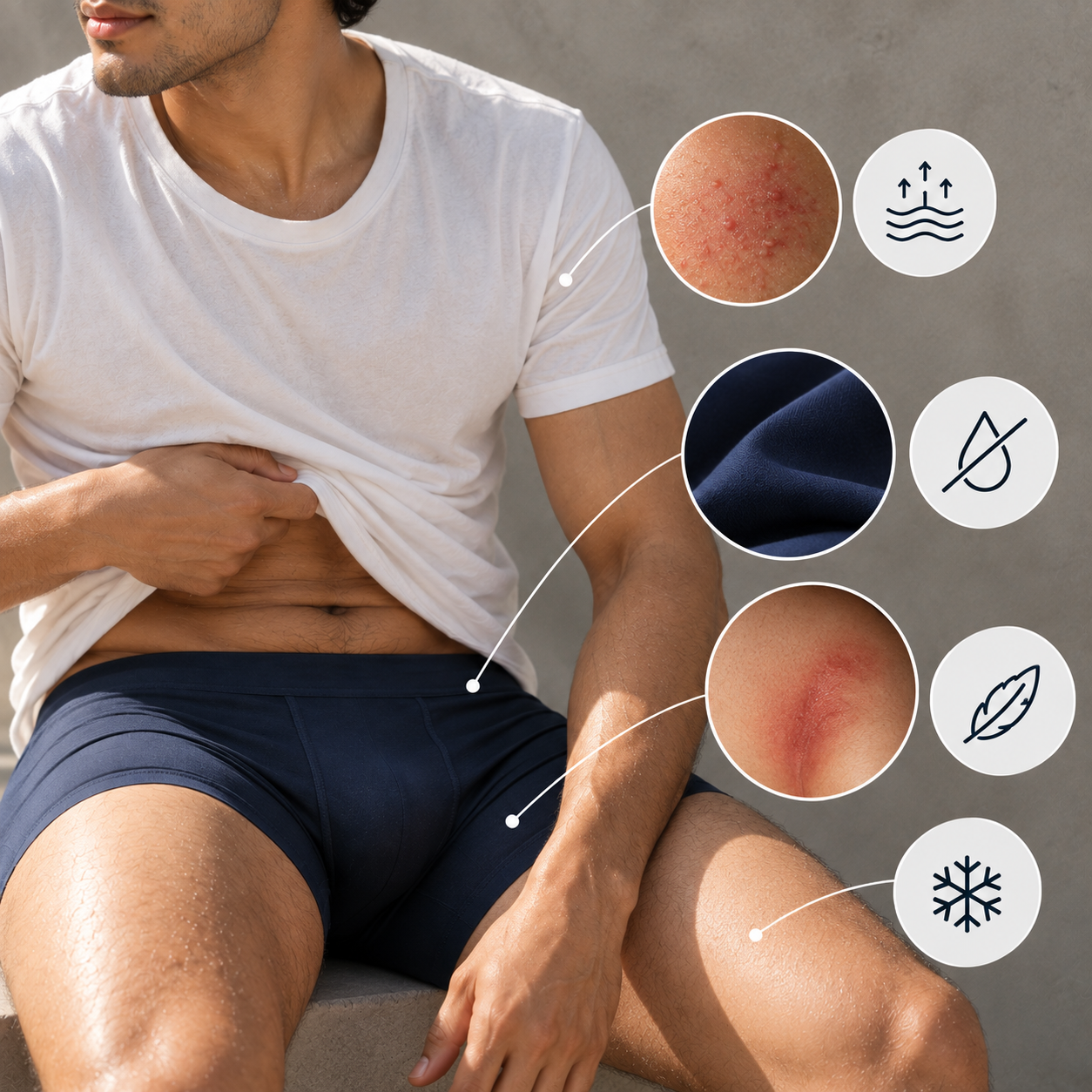
- Hot and humid weather: briefs or trunks in breathable fabric. Our guide to innerwear for monsoon covers what to look for.
- Workouts: trunks or boxer briefs, which reduce friction while keeping you supported.
- Sleep and lounging: boxers, or any style you find most comfortable.
- Travel: snug, seamless styles that stay comfortable through long sitting.
Fabric Matters as Much as Style
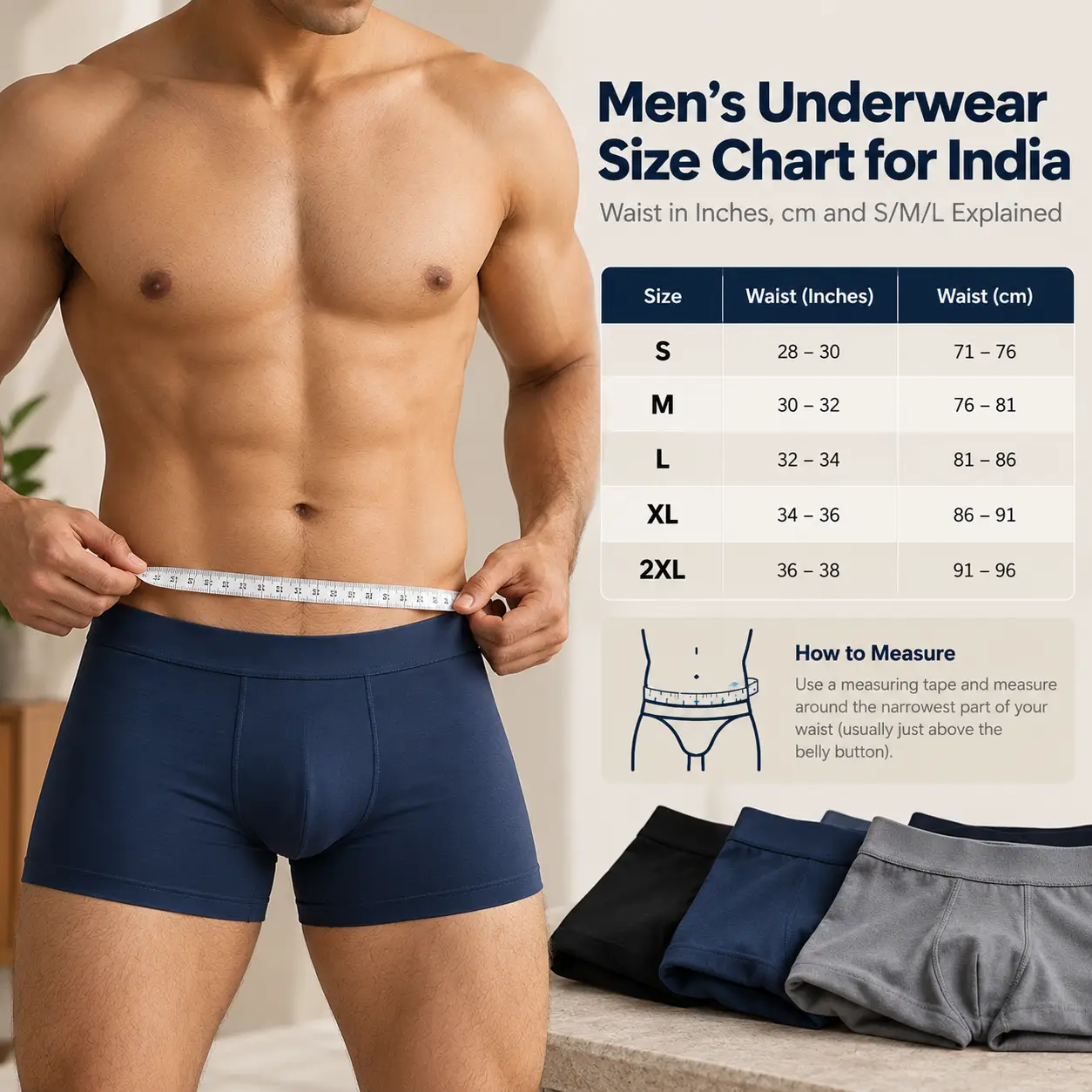
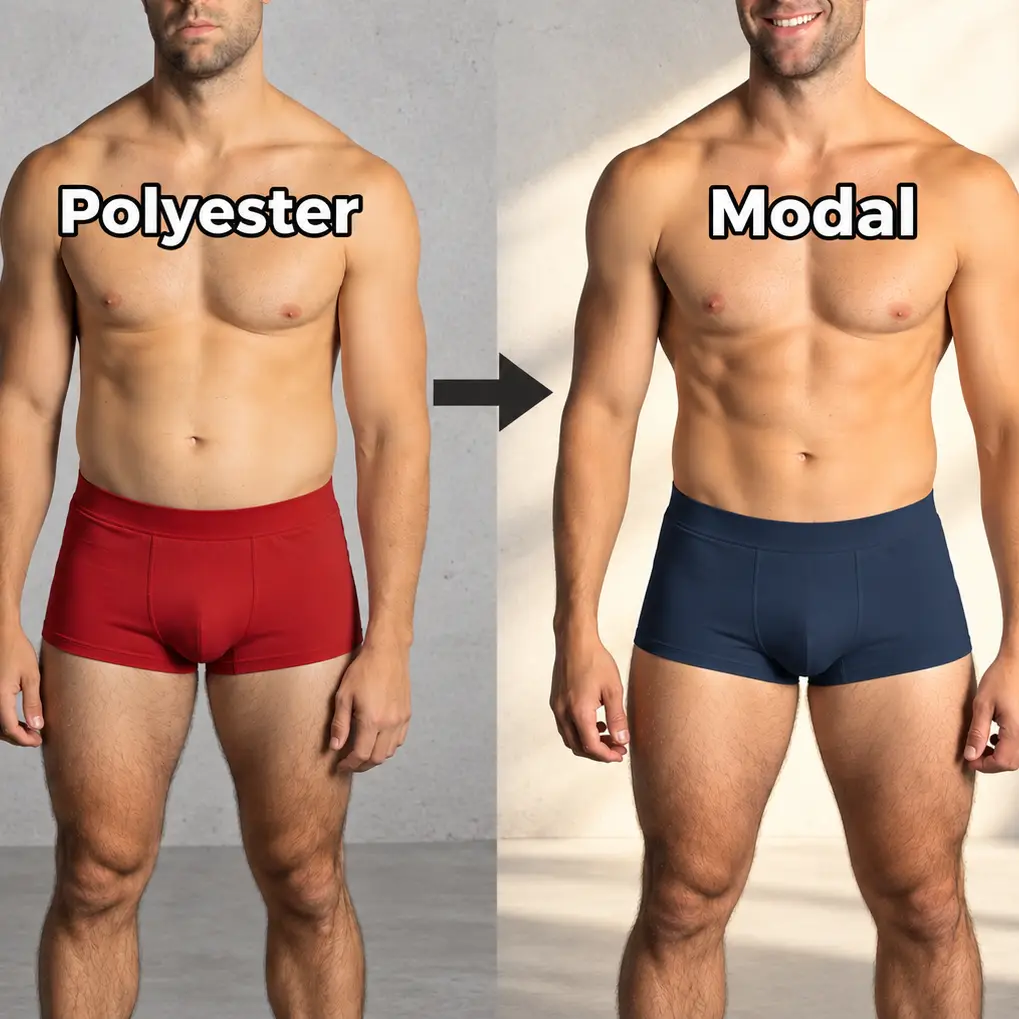
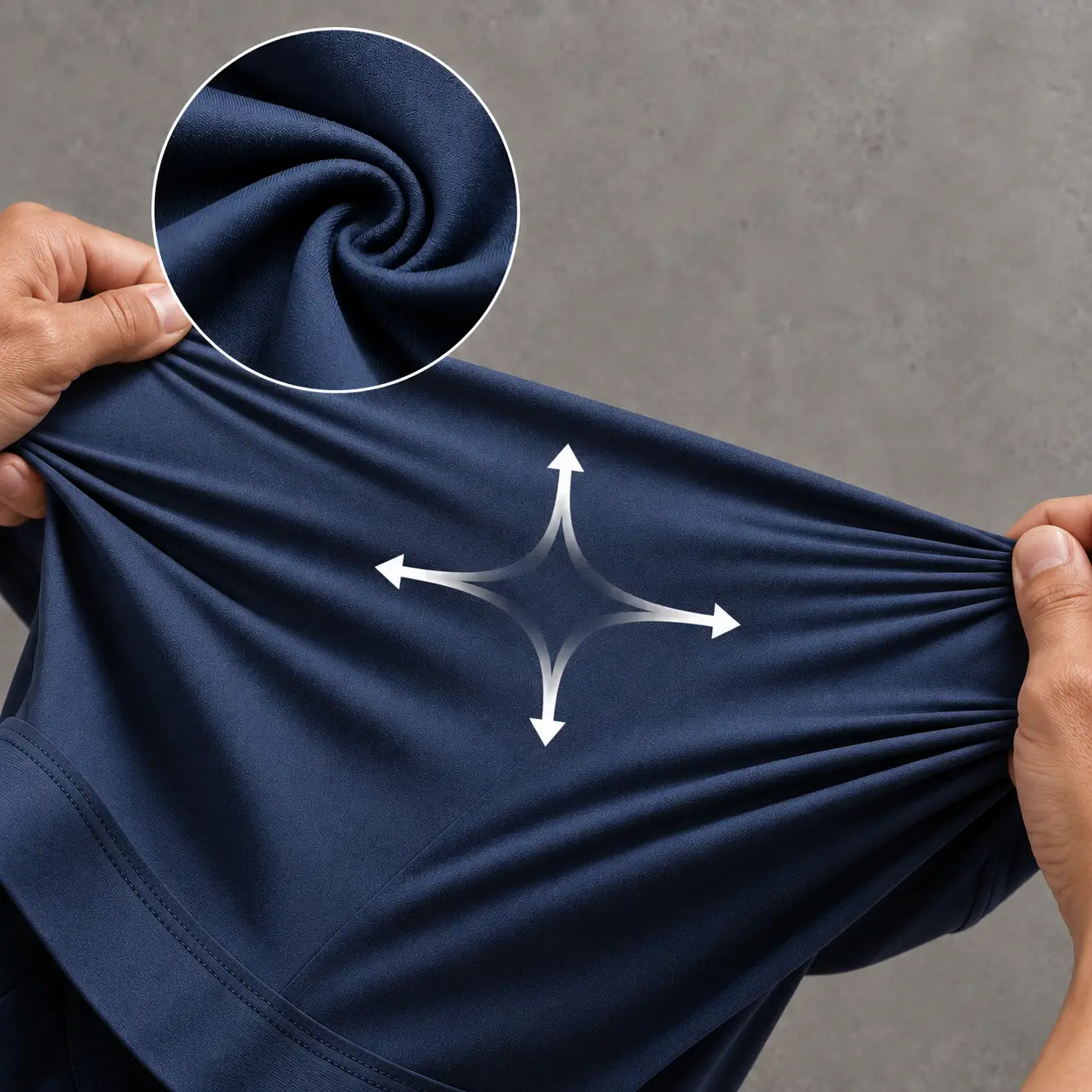
The style decides the shape, but the fabric decides how it feels. A seamless, breathable modal blend with good stretch can make a brief or trunk far more comfortable than a rough, non-breathable fabric in the same cut. And whichever style you pick, size matters: check our sizing guide and size chart before ordering.
Yazoo’s current range covers briefs and trunks, in plain and printed styles.
FAQs
What are the main types of men’s underwear?
The four main types are briefs, trunks, boxers, and boxer briefs, plus less common styles like bikini briefs, jockstraps, and thermal underwear.
What’s the difference between trunks and boxer briefs?
Both are fitted, but trunks have a shorter leg, usually ending a couple of inches down the thigh, while boxer briefs have a longer leg that extends further toward the knee.
Which type of underwear offers the most support?
Briefs, trunks, and boxer briefs all offer good support because of their close fit. Boxers offer the least.
Which type is best for hot weather?
Briefs and trunks in a breathable fabric are generally the coolest of the fitted styles, since they use less fabric.
Which type is best for the gym?
Trunks and boxer briefs are popular because they stay supportive while reducing thigh friction.
Can I wear different types on different days?
Yes. Many men keep a mix, using supportive styles for work or workouts and looser ones for sleep or relaxing.
Final Word
There’s no single best style among the types of men’s underwear, only the one that suits what you’re doing that day. Understand the main four, match them to your routine, and pay attention to fabric and size. When you’re ready to try, browse Yazoo’s shop.