If you’ve stood in front of your underwear drawer wondering whether to reach for briefs or trunks, you’re not overthinking it — the two styles genuinely feel different, support differently, and suit different situations. This briefs vs trunks comparison breaks down the real differences so you can stop guessing and start choosing based on what actually fits your day.
In This Guide
- What Are Briefs?
- What Are Trunks?
- Briefs vs Trunks: Key Differences
- Which Offers Better Support?
- Which Is Cooler and More Breathable?
- Which Is Better for Workouts?
- Which Looks Better Under Fitted Clothing?
- Briefs vs Trunks: So, Which Should You Actually Wear?
- Common Mistakes When Choosing
- FAQs
What Are Briefs?
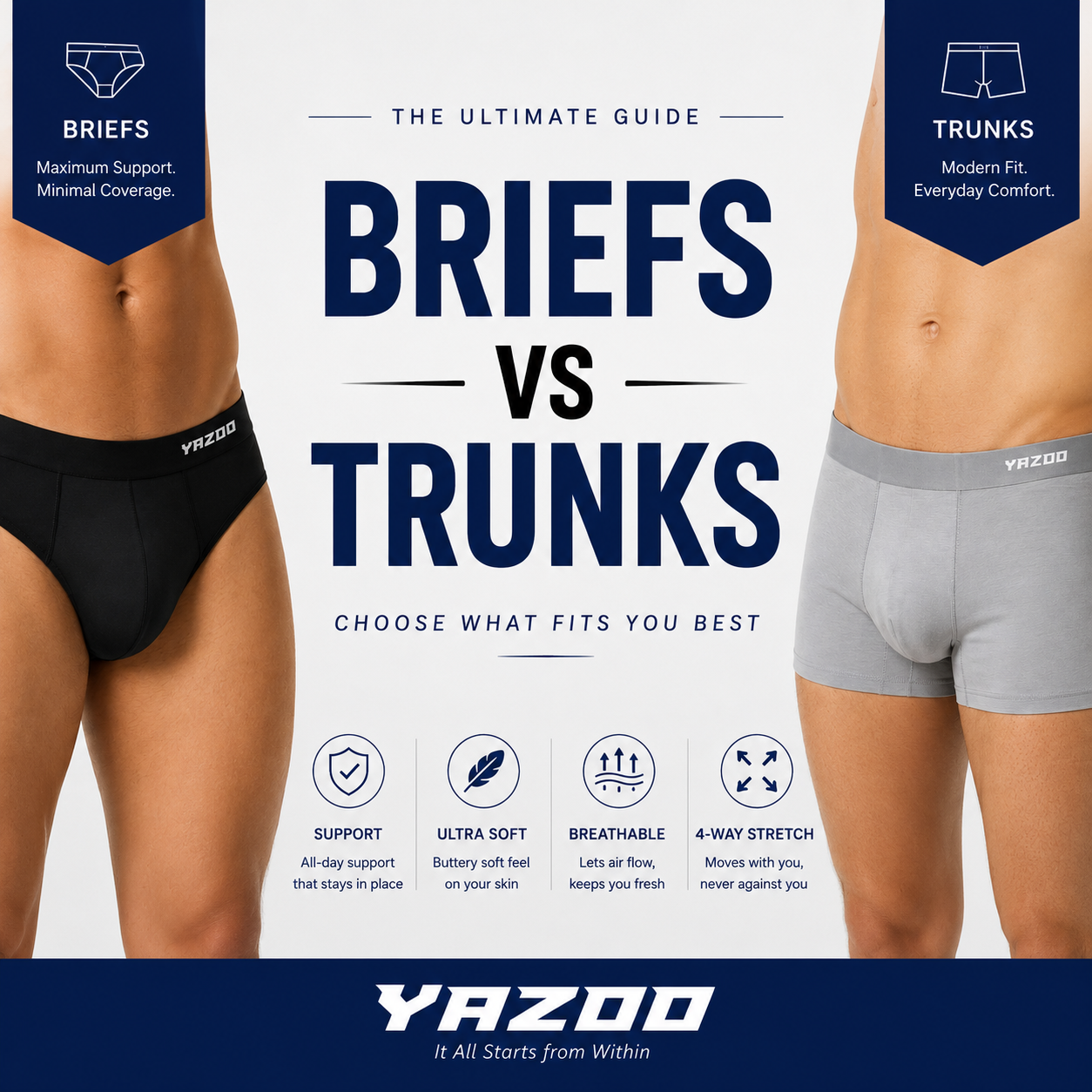
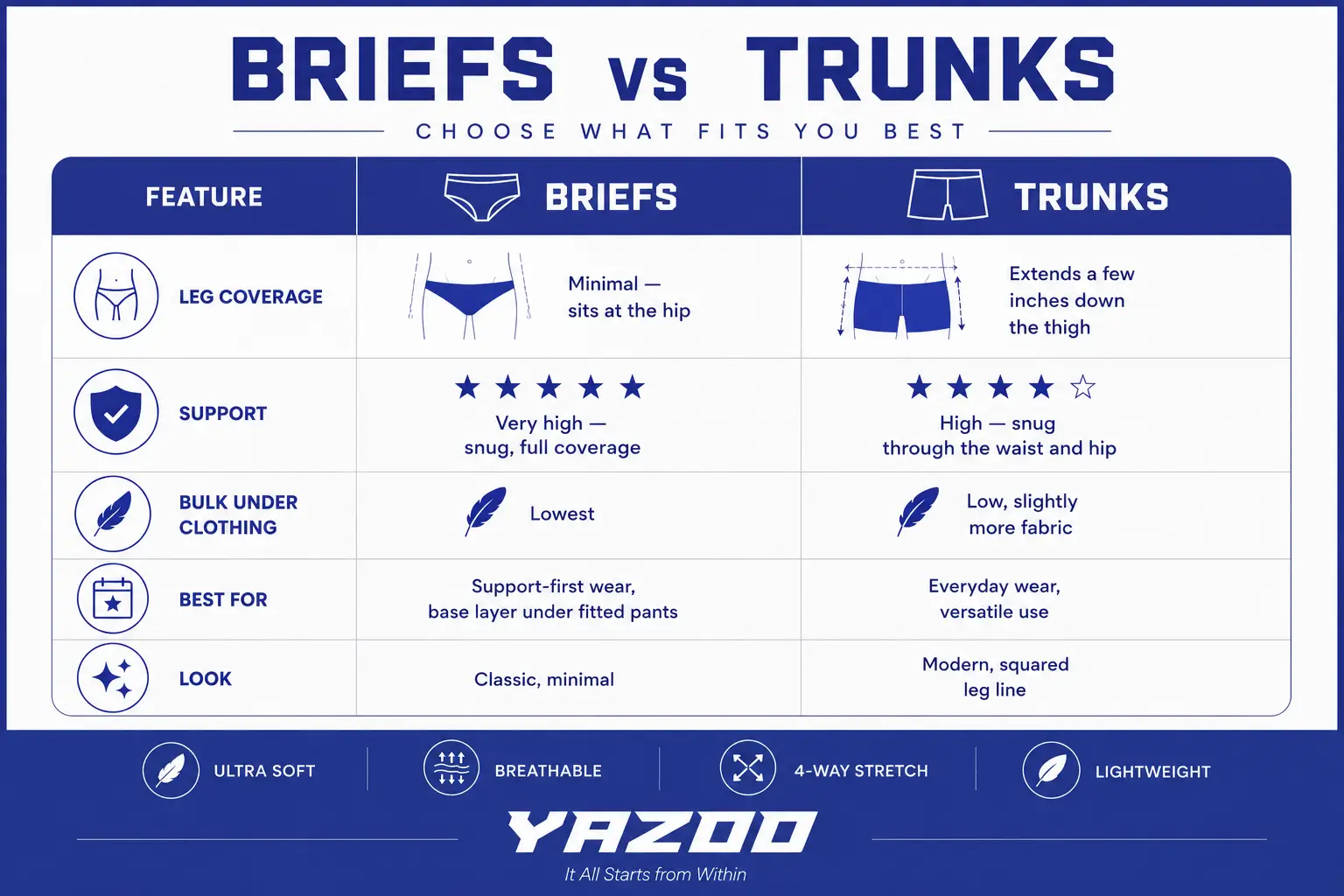
Briefs are the classic close-fitting style — full coverage at the back, a snug fit through the hip, and no leg fabric extending past the upper thigh. They sit close to the body with minimal excess fabric, which is exactly what makes them a reliable, no-nonsense option:
- Maximum support with minimal bulk
- No fabric to bunch or ride up under trousers
- A classic silhouette that hasn’t changed much because it doesn’t need to
What Are Trunks?
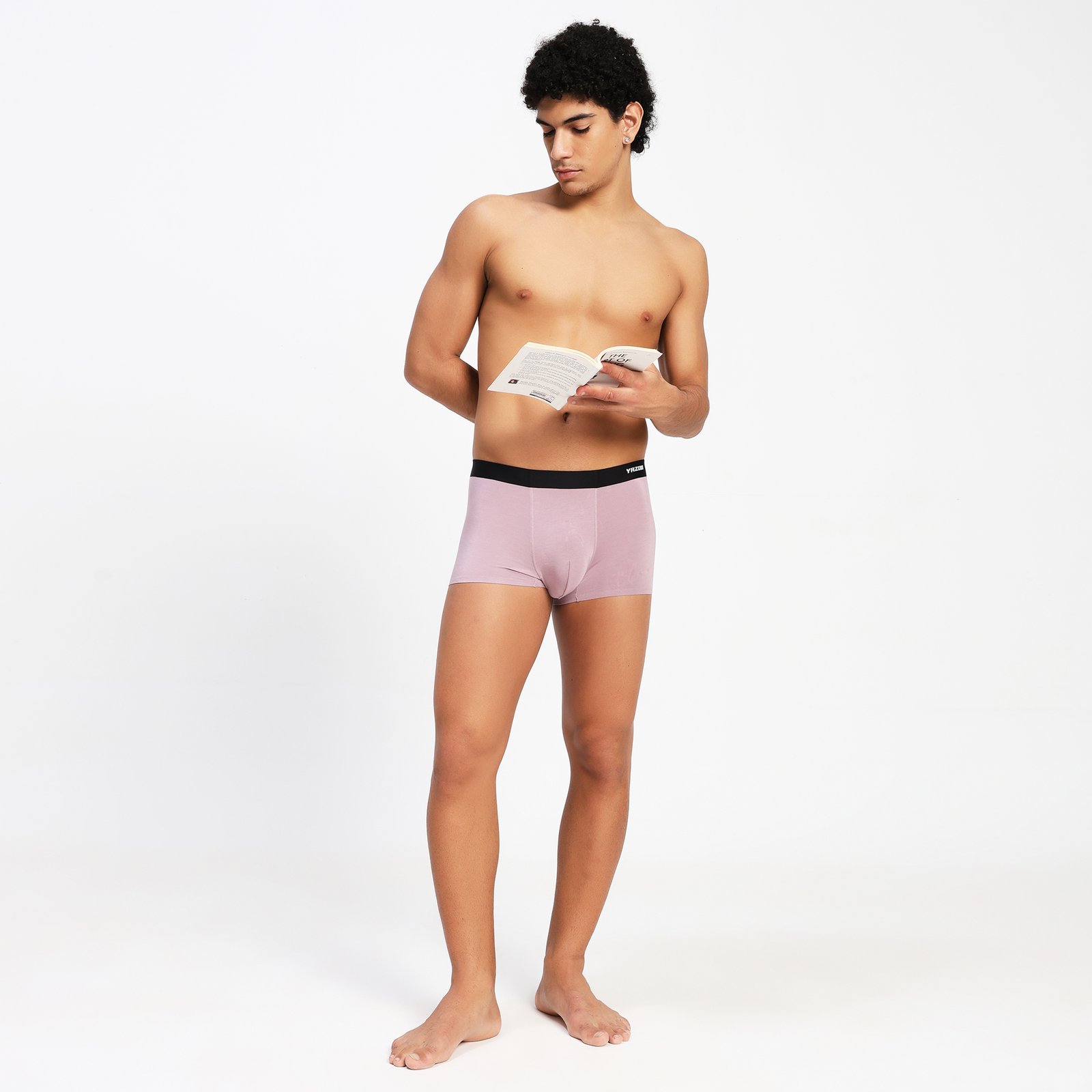
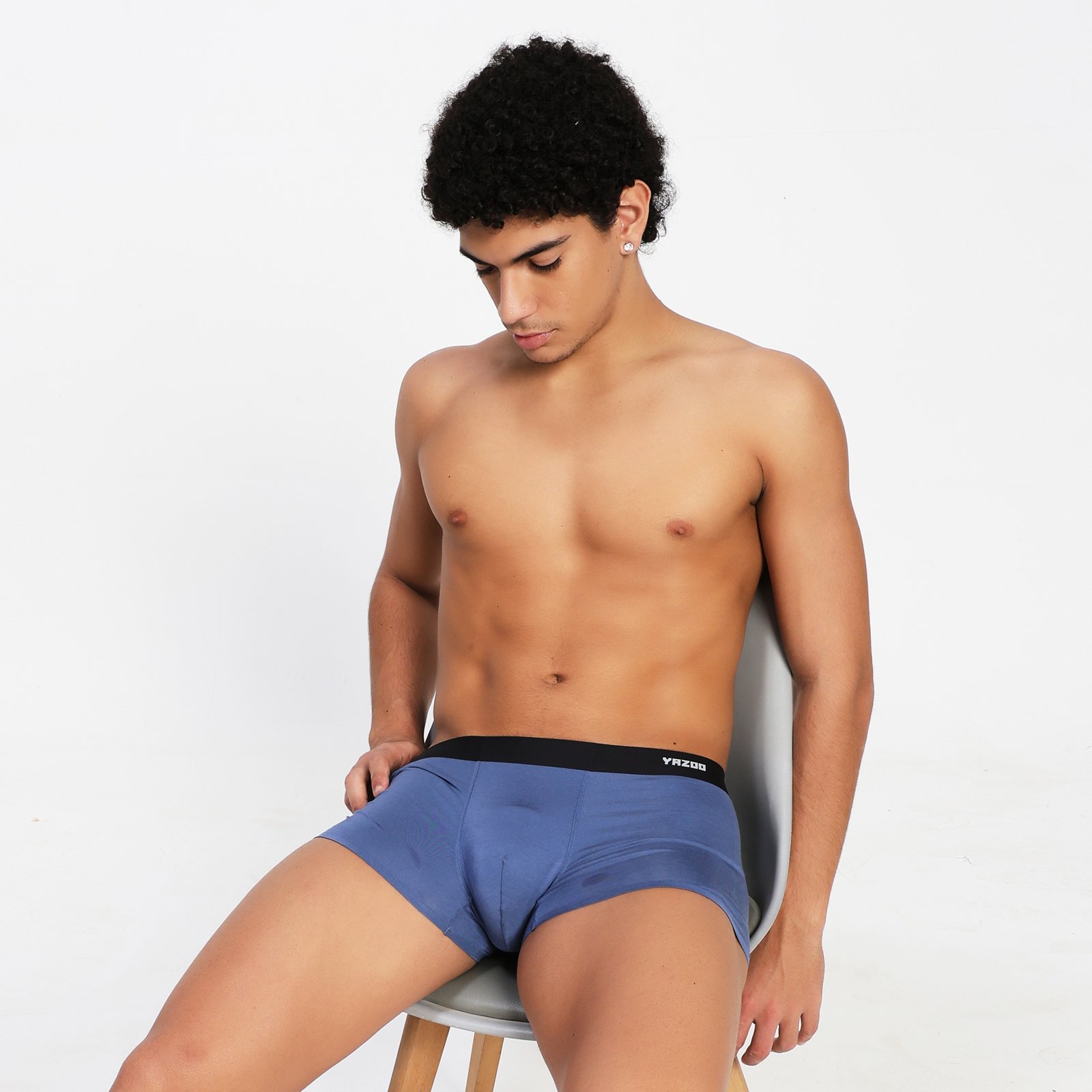
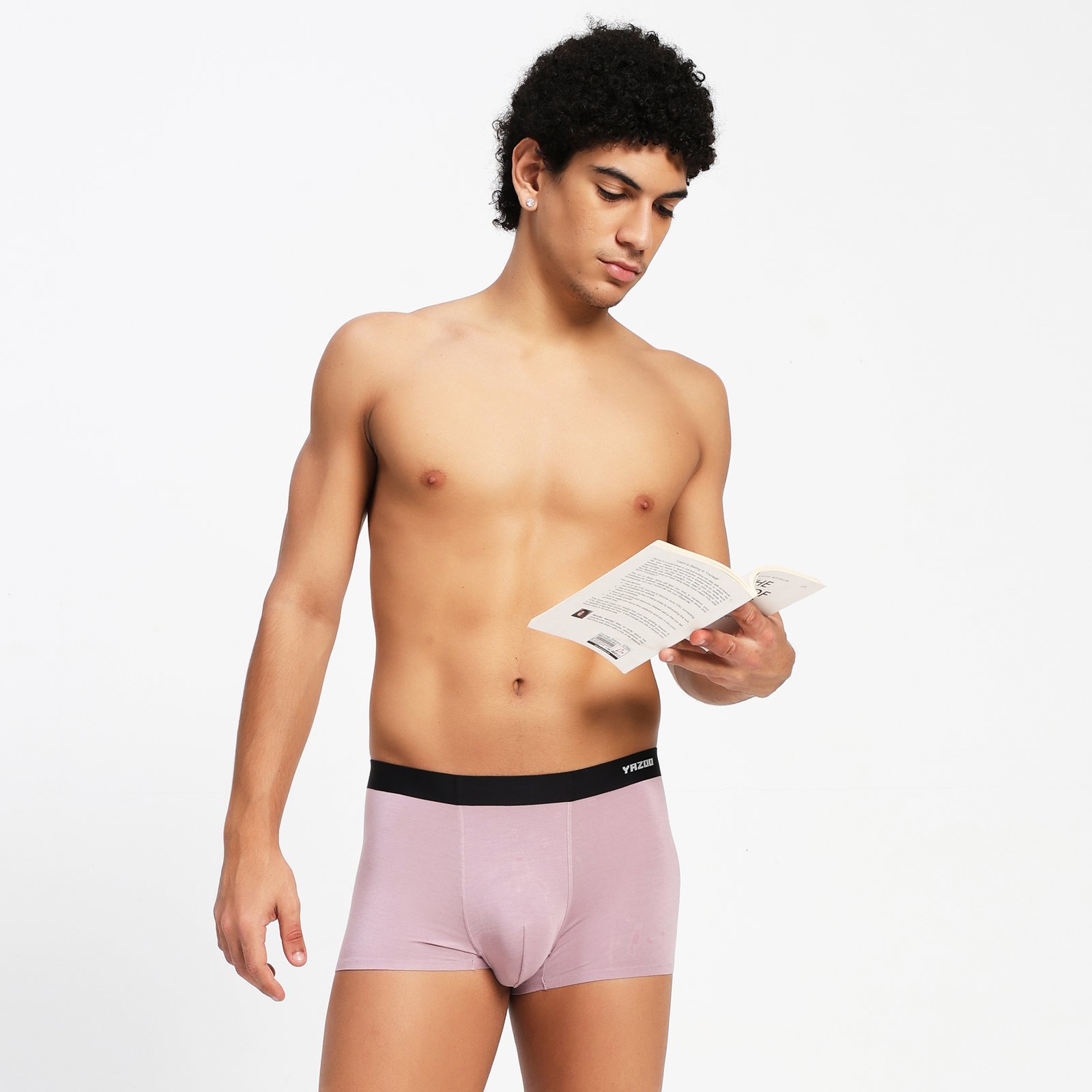
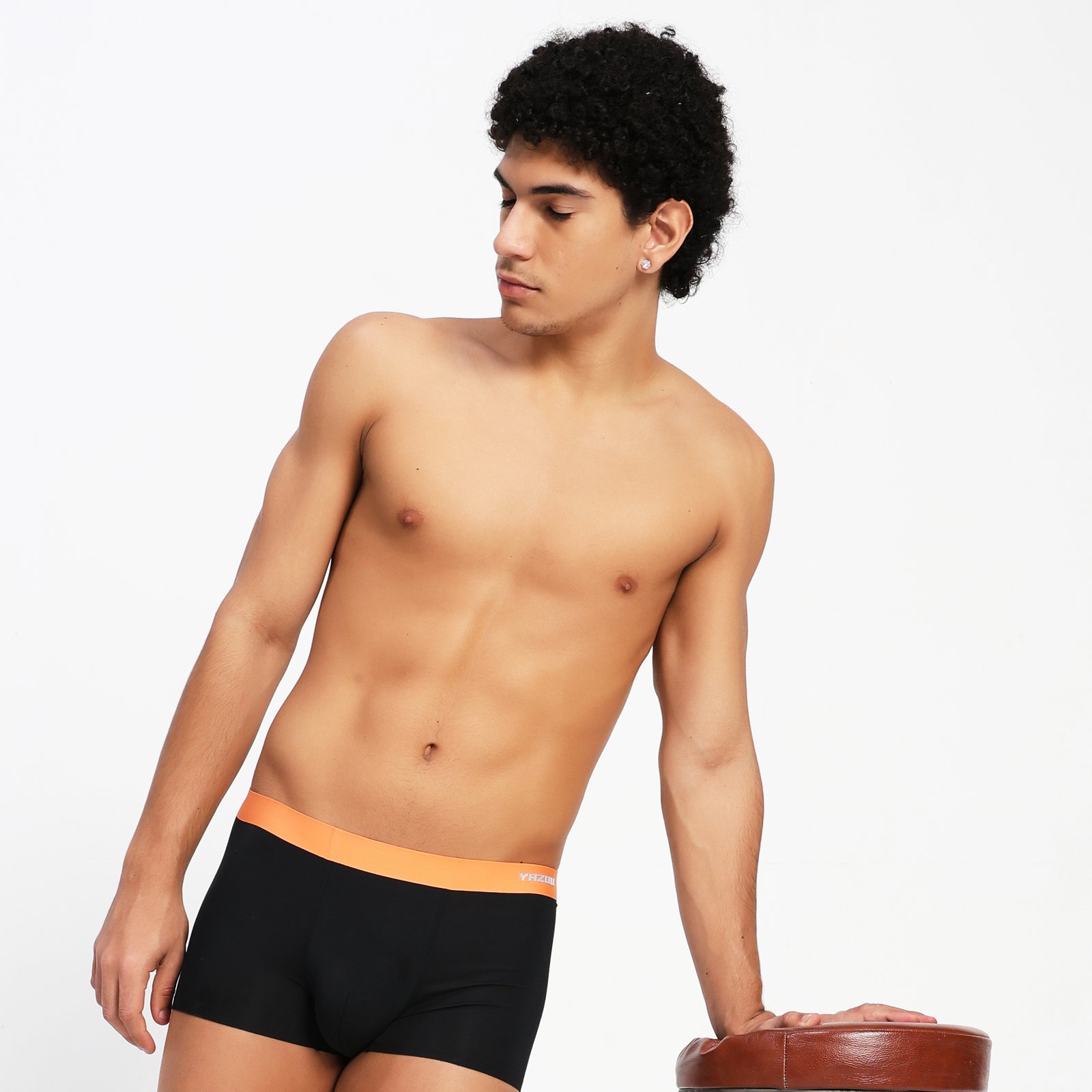
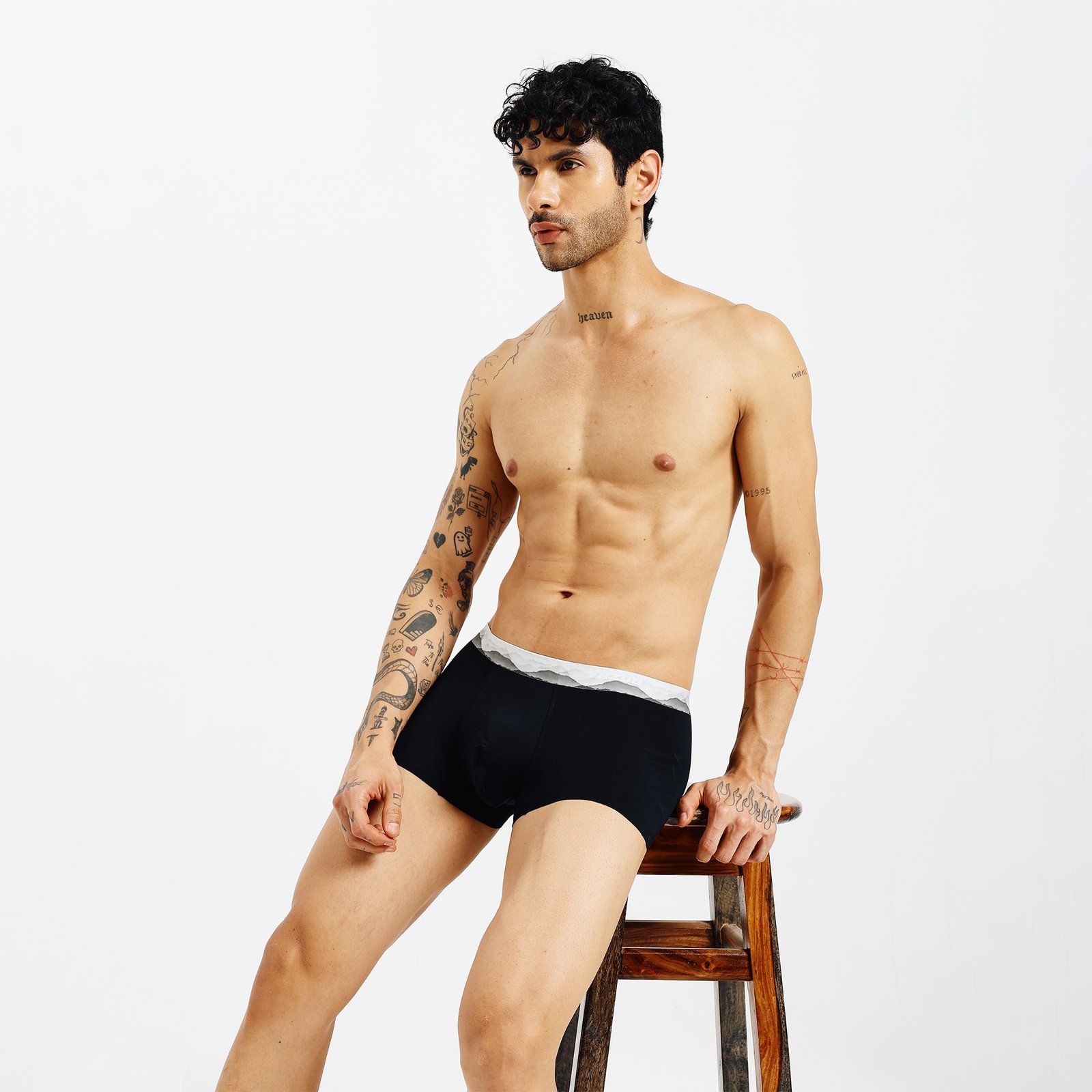
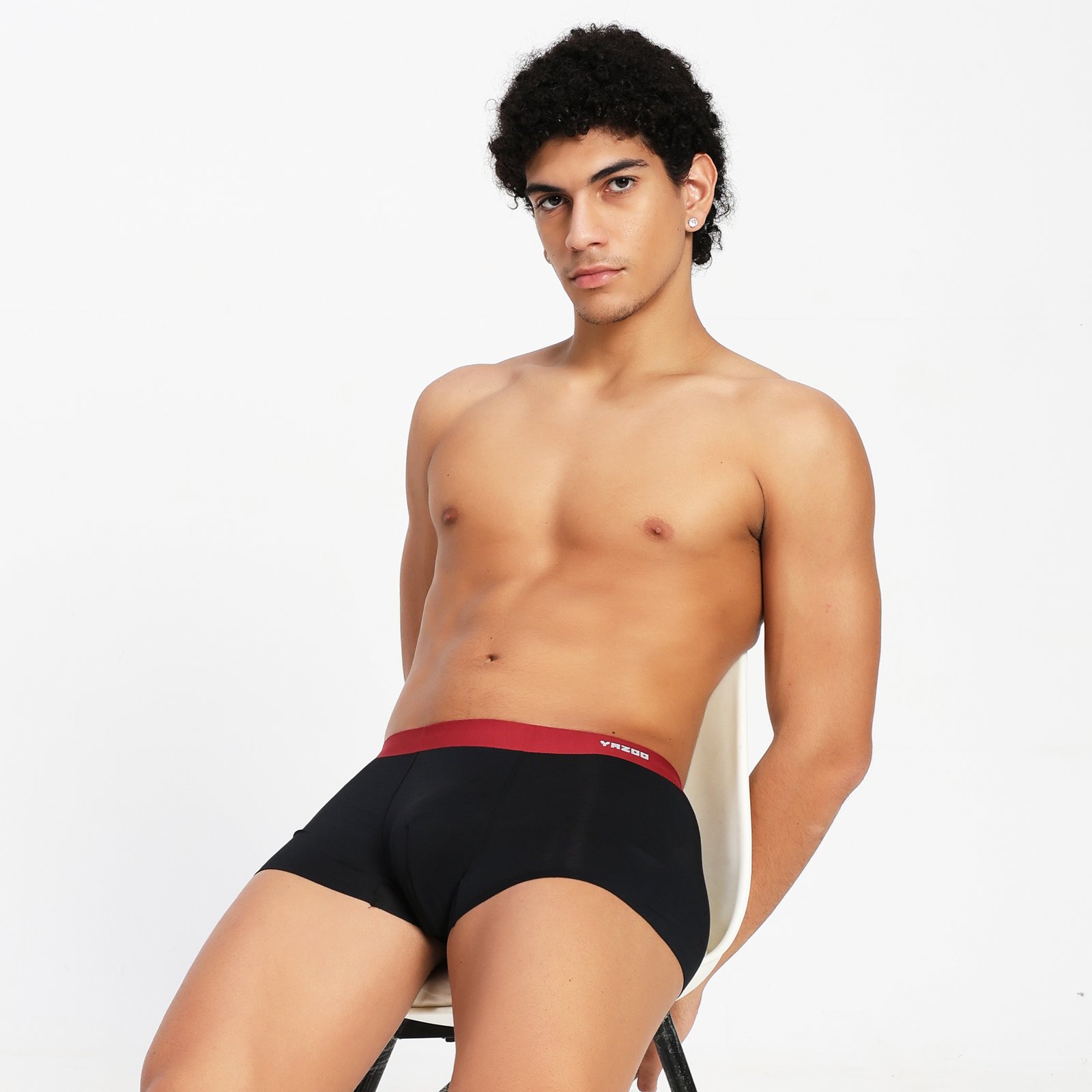
Trunks sit in between briefs and boxer briefs — shorter than boxer briefs but with more leg coverage than briefs, usually ending a couple of inches down the thigh with a straighter, more squared-off leg opening. They’ve become the most popular modern style because they balance two things people usually have to choose between:
- The support and shape of briefs
- A bit more coverage and a boxer-brief-like leg line
Briefs vs Trunks: Key Differences
Which Offers Better Support?
Briefs generally win here — the design wraps fully around the hip and groin with no loose fabric, which means less shifting throughout the day. Trunks come close, especially with a well-constructed waistband and a bonded, seamless build, but the slightly longer leg means marginally more fabric movement compared to a brief’s snugger cut.
If support is your top priority — long days on your feet, travel, or just wanting zero adjustment — briefs are the safer choice.
Which Is Cooler and More Breathable?
This depends more on fabric than style. A modal fabric blend with 4-way stretch breathes well regardless of whether it’s cut as a brief or a trunk. That said, briefs — with less total fabric covering the thigh — tend to feel marginally cooler in hot, humid weather, while trunks offer a touch more coverage without sacrificing much breathability if the fabric itself is lightweight.
Which Is Better for Workouts?
For high-movement activity, trunks tend to edge ahead. The slightly longer leg reduces thigh-to-thigh friction during activities like running or cycling, while still offering the support of a close-fitting style. Briefs work fine for lower-impact workouts or as a base layer, but some men find the higher leg opening chafes more during repetitive motion.
Which Looks Better Under Fitted Clothing?
Both styles are built to disappear under clothing when the fit is right, but there’s a small distinction:
- Briefs have the lowest visible profile — virtually no line under fitted trousers.
- Trunks have a very slightly longer leg line, which is rarely visible under normal trousers but can show a faint line under very tight-fitting fabric like slim joggers or compression wear.
For most everyday clothing, the difference is negligible. For very fitted athletic wear specifically, briefs have a marginal edge.
Briefs vs Trunks: So, Which Should You Actually Wear?
There’s no universal right answer in the briefs vs trunks debate — it comes down to what you’re doing and what you prefer day to day:
- Choose briefs if you want maximum support, minimal bulk, and a classic fit — especially for formal wear, travel, or hot weather.
- Choose trunks if you want the support of a brief with a bit more coverage, a modern leg line, and better performance during high-movement activity.
Many men end up keeping both in rotation — briefs for support-focused days, trunks for everyday versatility. There’s no reason to commit to just one style; the “right” choice can change based on what you’re wearing over them or what you’re doing that day.
Common Mistakes When Choosing
- Assuming one style is objectively “better.” It’s a fit and use-case decision, not an upgrade path.
- Ignoring fabric when comparing styles. A cheap, non-breathable trunk will feel worse than a well-made brief in soft modal fabric, regardless of cut.
- Not sizing correctly for the style. Briefs and trunks can fit differently even at the “same” size — see our men’s underwear size guide if you haven’t sized yourself recently.
- Buying only one style and wearing it for everything. Different days call for different support and coverage needs.
FAQs
Are trunks the same as boxer briefs?
No. Trunks are shorter than boxer briefs, usually ending a couple of inches down the thigh, while boxer briefs extend further toward the knee.
Which is more supportive, briefs or trunks?
Briefs typically offer slightly more support due to their snugger, fuller-coverage cut, though a well-made trunk in a supportive fabric comes close.
Can I wear trunks for the gym?
Yes — trunks are a popular workout choice because the leg length reduces chafing during movement while still offering close-fitting support.
Final Word
There’s no wrong answer in the briefs vs trunks decision — only what suits your day. If you want maximum support, start with Yazoo’s briefs. If you prefer a modern fit with a bit more coverage, browse our trunks in plain or printed styles. Either way, make sure you’ve got your size right first — the comparison only matters once the fit is correct.