Innerwear Buying Guide for Indian Weddings and Functions
Indian wedding season means back-to-back functions — sangeet, haldi, mehendi, the wedding itself, reception — often across several days, in heavy traditional wear, with hours of standing, sitting cross-legged, and dancing. The right innerwear for wedding functions doesn’t get talked about much, but it makes a real difference across a multi-day event where comfort can’t reset between changes of outfit.
Here’s what actually matters when you’re planning innerwear for wedding season, not just the outfit itself.
In This Guide
- Why Wedding Season Innerwear Is a Different Challenge
- What to Look For
- Innerwear Under Traditional Wear vs Western Formal Wear
- Packing for Multi-Day Functions
- Comfort During Long Ceremonies
- Common Mistakes During Wedding Season
- FAQs
Why Wedding Season Innerwear Is a Different Challenge
A single wedding function is manageable in almost anything. The real challenge is stacking — multiple functions across consecutive days, often in different climates (an outdoor haldi in daytime heat, an indoor reception in AC), combined with:
- Extended hours in the same outfit, often 6-8+ hours per function
- Heavy fabrics like sherwanis, bandhgalas, or formal suits layered over innerwear
- A mix of sitting cross-legged, standing for photos, and dancing — all in the same day
- Limited or no access to a change of clothes between events on travel-heavy wedding days
None of this is dealt with by picking a nicer outfit — it comes down to what’s underneath holding up through all of it.
What to Look For
For innerwear for wedding functions, prioritize:
- Breathable, moisture-wicking fabric — you’ll likely be warmer than usual under layered traditional wear, especially at daytime functions.
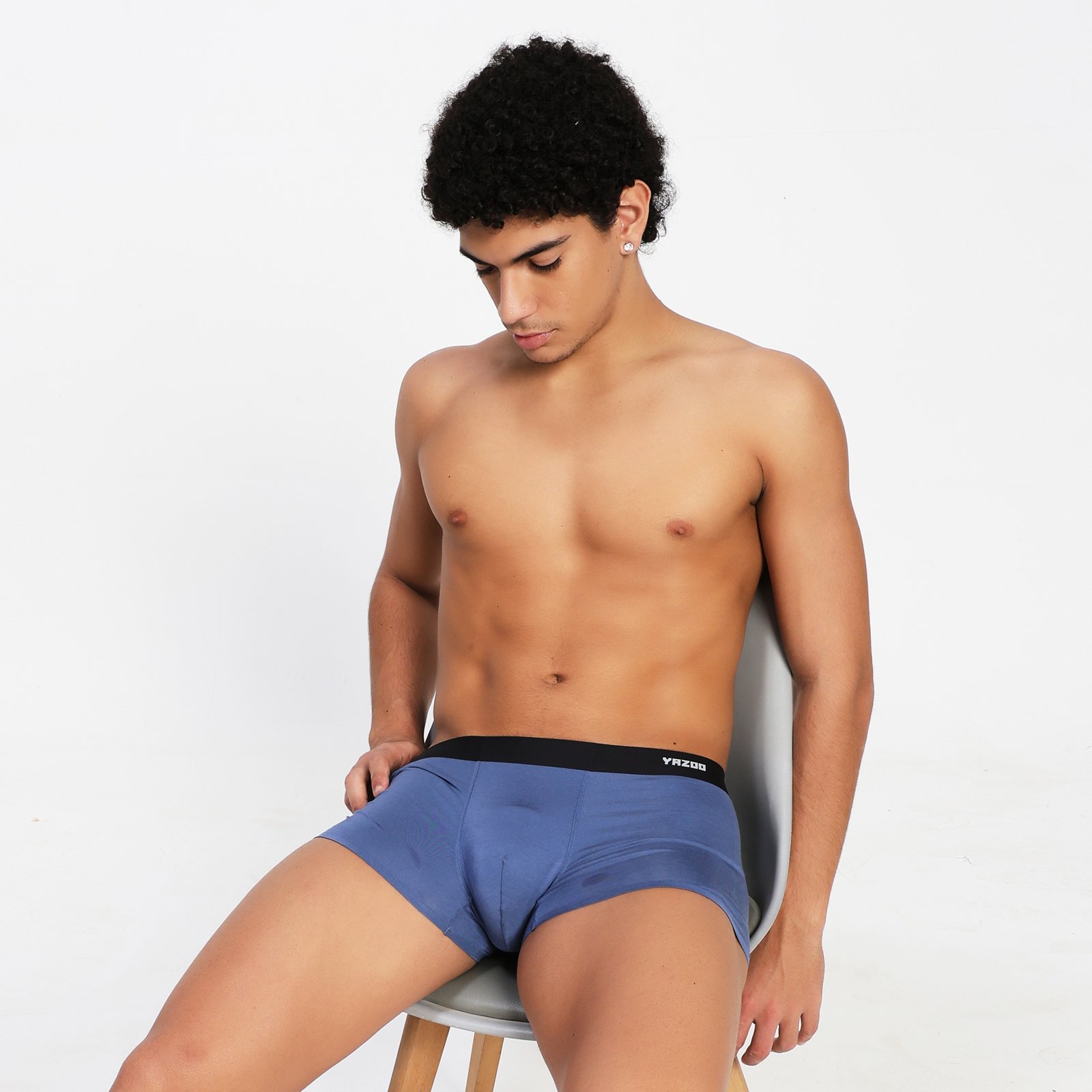
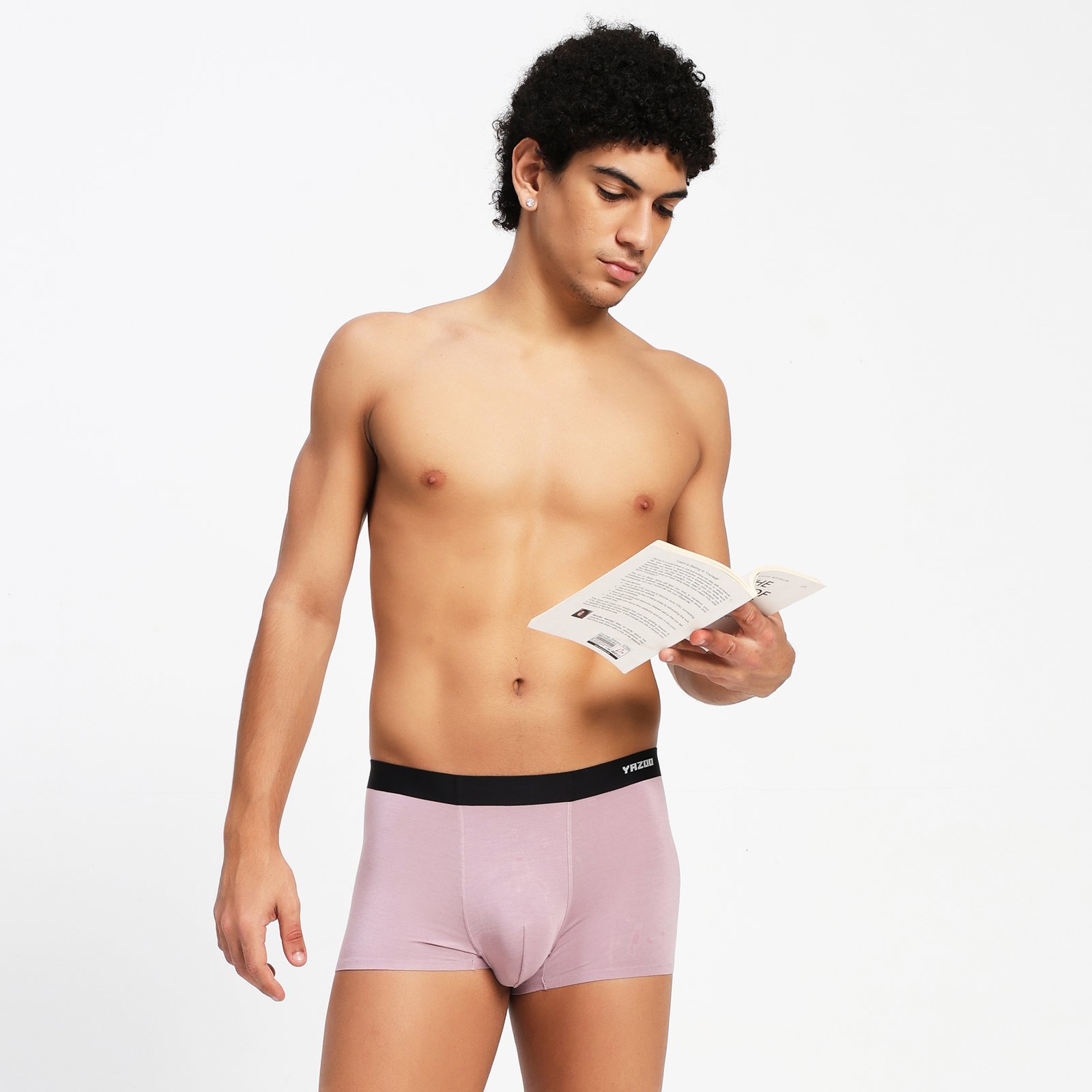
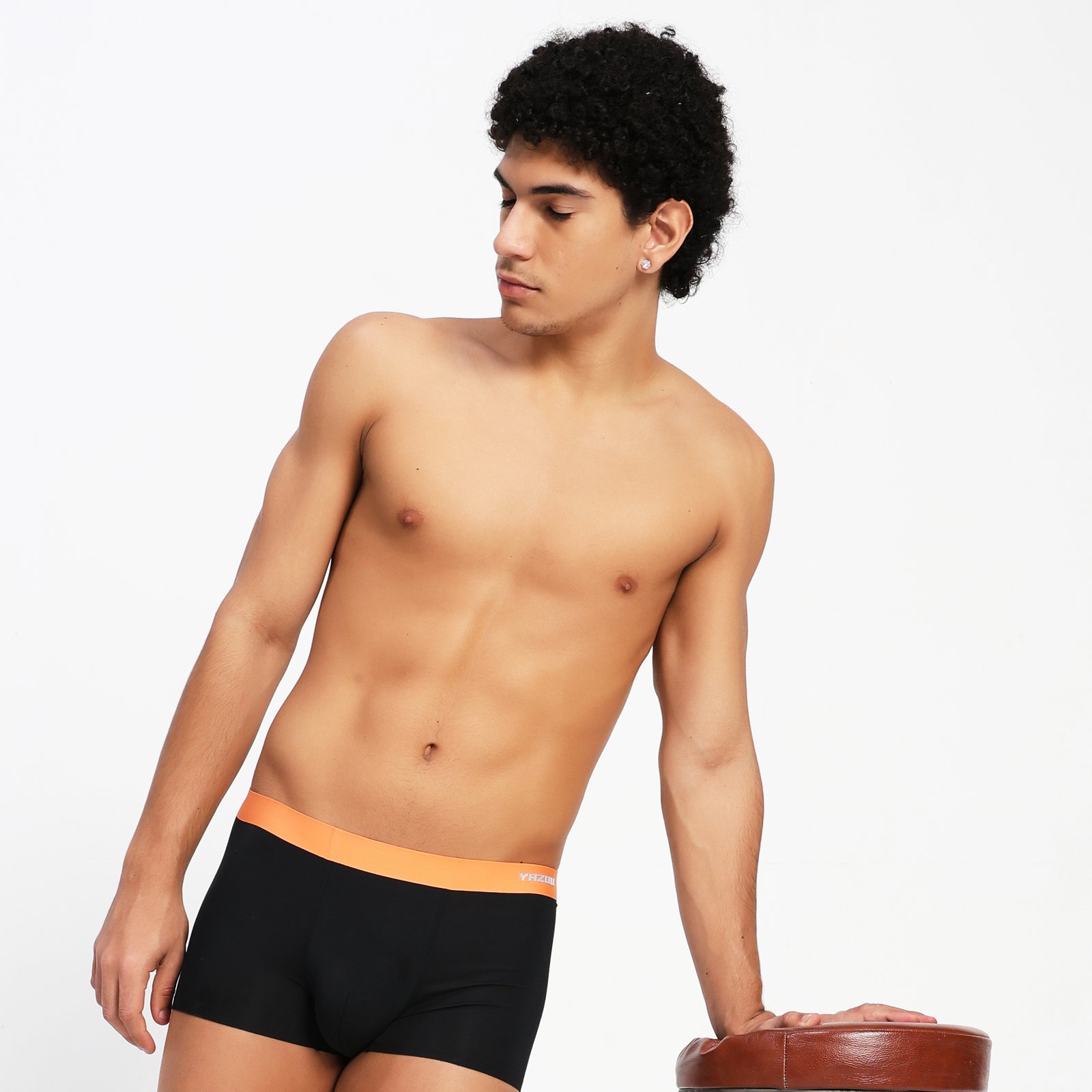
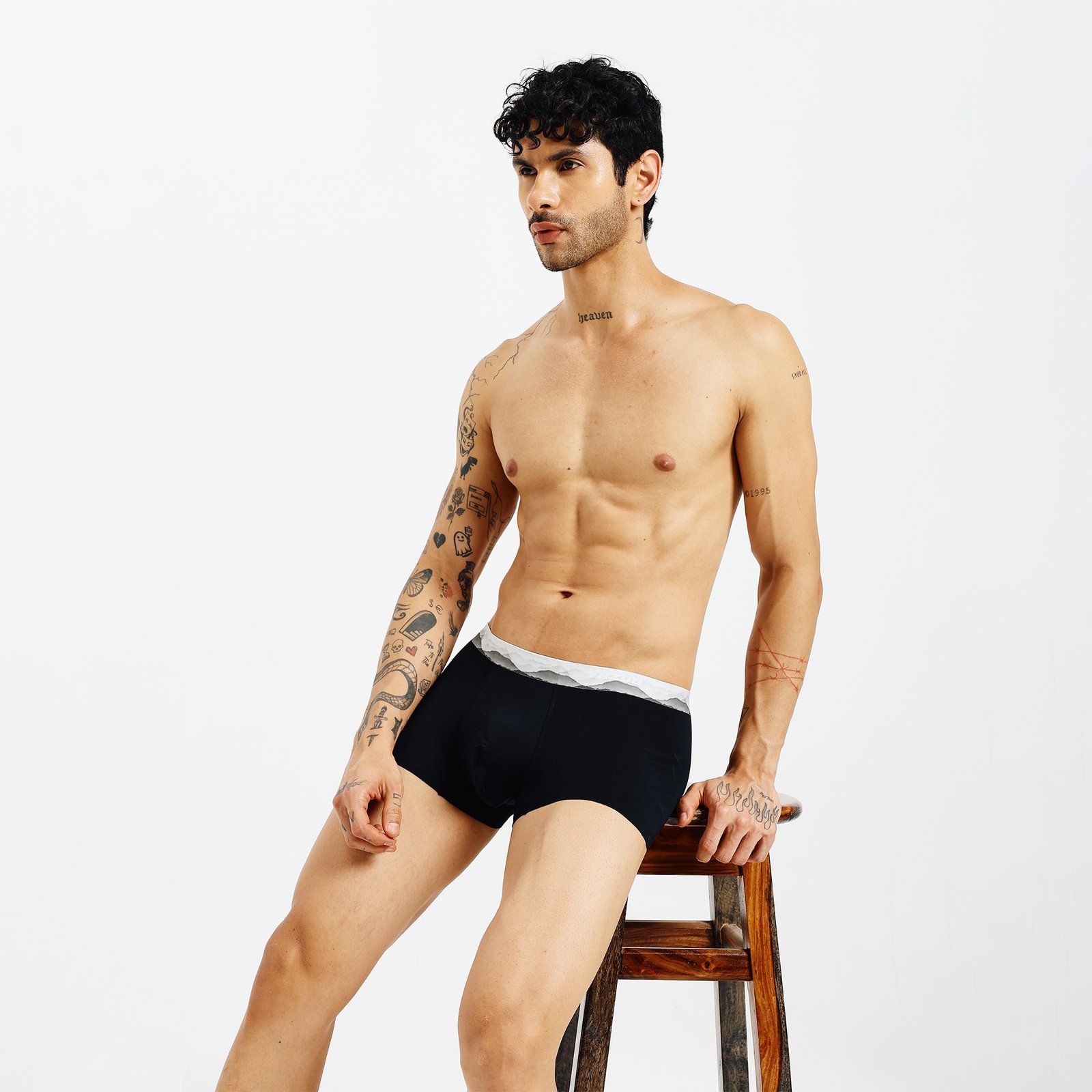
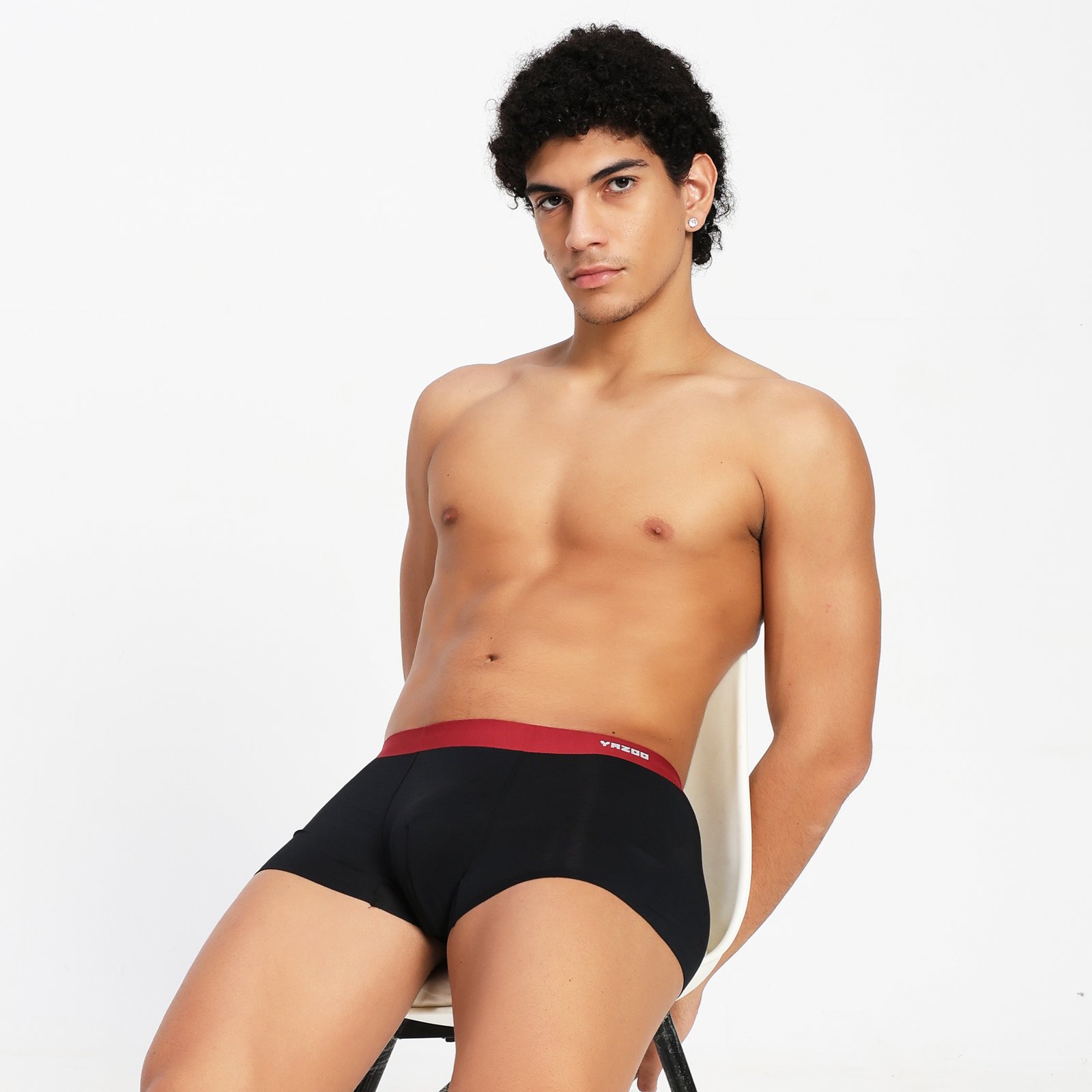
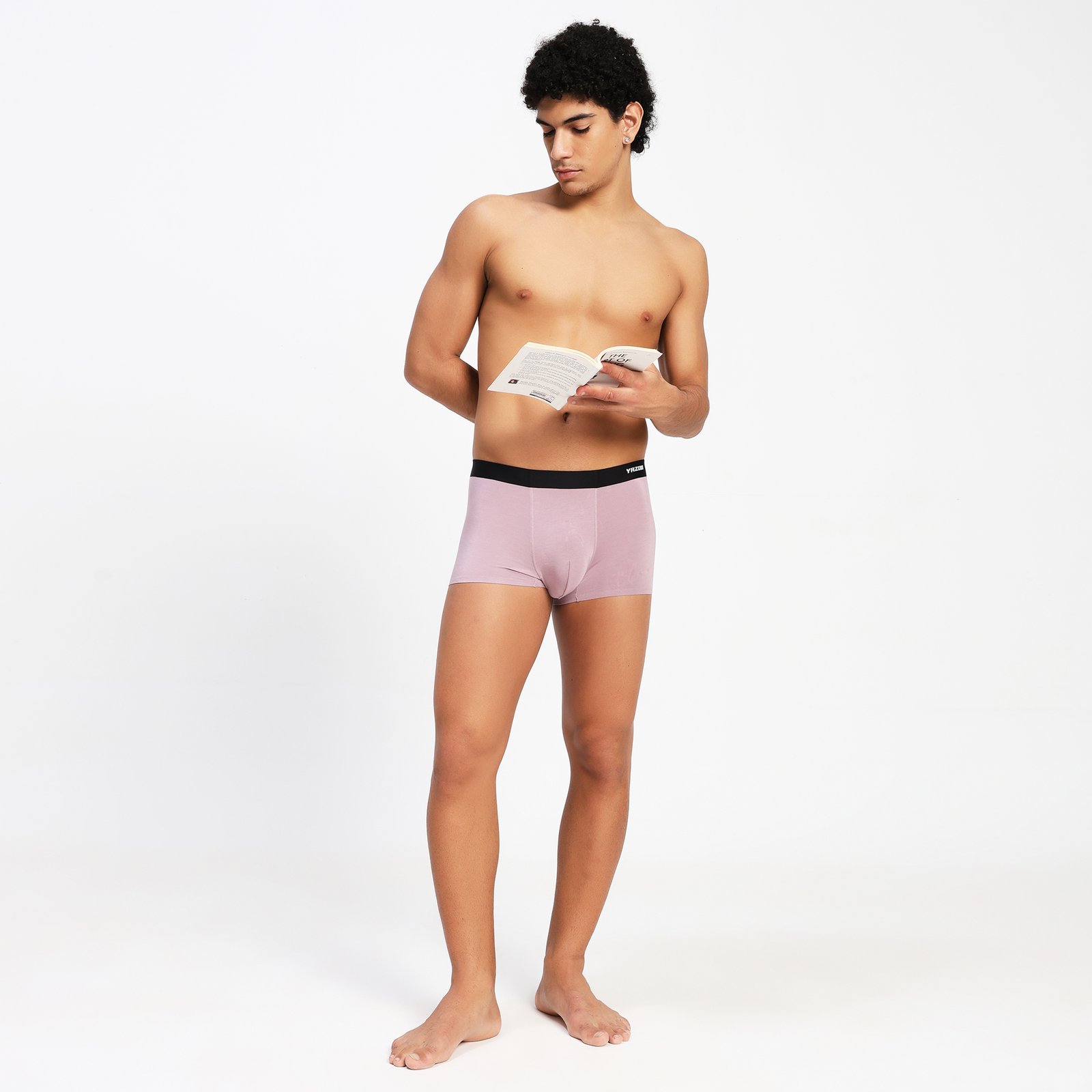
- A snug, seamless fit — no visible lines under fitted sherwanis or slim formal trousers, and no seams to chafe during hours of movement and sitting.
- Reliable elastic — a waistband that holds up through a full day of sitting, standing, and dancing without rolling or digging in.
- A style you’re confident in — this isn’t the week to experiment with something unfamiliar; wear what you already know fits well.
Innerwear Under Traditional Wear vs Western Formal Wear
- Under sherwanis, kurtas, and bandhgalas: These often sit close through the hip and thigh, so a low-profile, seamless fit matters more than usual to avoid visible lines. Breathability matters too, since traditional fabrics are often heavier and less ventilated than Western formal wear.
- Under Western formal suits: Standard formal-wear considerations apply — no visible lines under slim trousers, and a fit that holds up through a long reception without needing adjustment.
Either way, the goal is the same: innerwear you don’t have to think about once you’re dressed.
Packing for Multi-Day Functions
Wedding season often means back-to-back events with little laundry time in between, especially if you’re traveling for a destination wedding. A few practical guidelines:
- Pack more pairs than functions — you don’t want to be caught without a fresh, breathable option for an unplanned extra event or a hot daytime function.
- Prioritize quick-drying fabric if you’re hand-washing during a multi-day trip without laundry access.
- Keep at least one “just in case” pair in your travel bag separate from your main luggage, in case bags get delayed or separated during travel-heavy wedding trips.
Comfort During Long Ceremonies
Ceremonies that involve extended sitting (many mandap rituals, for instance) put different pressure on innerwear than standing events do. A snug, seamless fit avoids the bunching that loose or stitched-seam styles are more prone to when you’re seated cross-legged for a long stretch. If you know a particular function involves hours of seated ceremony, that’s the one to be most deliberate about your choice for.
Common Mistakes During Wedding Season
- Wearing something new for the first time on the big day. Wedding season isn’t the time to test an unfamiliar fit — stick with a style and size you already know works.
- Underpacking. Multiple functions across several days use up your rotation faster than a normal week.
- Ignoring fabric weight under heavy traditional outfits. A breathable base layer matters more, not less, when the outer layer is heavy and less ventilated.
- Not sizing correctly before the season starts. If it’s been a while, check your size before wedding season hits, not mid-function.
FAQs
What’s the most important factor for innerwear during Indian wedding functions?
A snug, seamless, breathable fit — it needs to hold up through extended wear, movement, and often heavier traditional outer layers without needing adjustment.
Should I wear different innerwear under traditional wear versus Western formal wear?
The core requirements (breathable, seamless, well-fitted) stay the same, but traditional wear often sits closer to the body, making a low-profile fit especially important to avoid visible lines.
How many pairs should I pack for a multi-day wedding trip?
Pack at least one pair more than the number of functions, especially for destination weddings with limited laundry access between events.
Is briefs or trunks better for wedding functions?
Briefs generally offer slightly more support for long, active days, while trunks provide a bit more coverage — either works well if the fit and fabric are right. Our briefs vs trunks guide covers the full comparison.
Final Word
Wedding season puts real, sustained demand on comfort — multiple days, heavy outer layers, and long hours that don’t leave room for adjusting or readjusting. Getting your innerwear for wedding functions right starts with fit and fabric, not the outfit on top. Browse Yazoo’s shop to stock up before the season gets busy, and make sure your size is current before the first function.