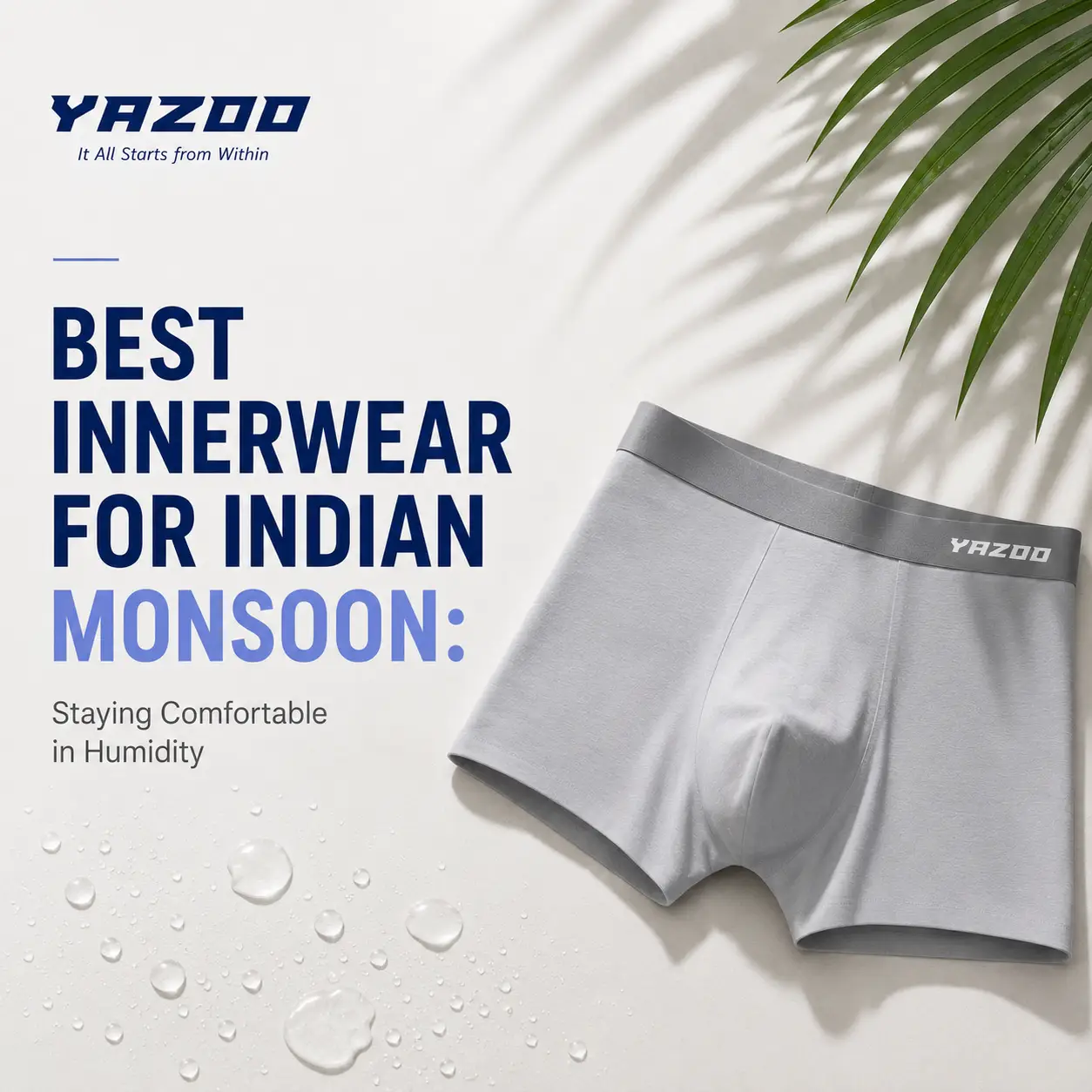
Best Innerwear for Indian Monsoon: Staying Comfortable in Humidity
Monsoon season brings a specific kind of discomfort that summer heat alone doesn’t — constant humidity, damp fabric that never fully dries, and a much higher risk of chafing and skin irritation. Finding the best innerwear for monsoon weather isn’t about a different style so much as getting the fabric right, since that’s what determines whether you stay comfortable or spend the season readjusting.
Here’s what actually matters when choosing innerwear for humid, wet-season conditions.
In This Guide
- Why Humidity Makes Innerwear Choice Harder
- What to Look For in Monsoon Innerwear
- Fabrics to Avoid During Monsoon
- Why Modal Fabric Works Well in Humidity
- Best Styles for Monsoon Comfort
- Fabric Comparison for Humid Weather
- Care Tips During Monsoon
- FAQs
Why Humidity Makes Innerwear Choice Harder
Unlike dry heat, humidity keeps moisture close to the skin instead of letting sweat evaporate quickly. That combination creates a few specific problems:
- Slower drying time — fabric that stays damp longer stays in contact with skin longer
- Higher chafing risk — damp fabric creates more friction than dry fabric
- Greater odor buildup — trapped moisture is exactly what allows bacteria to multiply
- Increased risk of skin irritation — prolonged dampness softens skin, making it more prone to rashes and fungal issues
This is why the same underwear that feels fine in dry weather can feel completely different — and far less comfortable — during monsoon months.
What to Look For in Monsoon Innerwear
The best innerwear for monsoon conditions shares a few specific traits, regardless of brand:
- Breathable fabric that allows airflow instead of trapping heat and moisture
- Moisture-wicking properties that pull sweat away from skin rather than holding it
- Quick-drying material so a pair doesn’t stay damp for hours after a wash or a sweaty commute
- A snug, non-chafing fit — loose fabric shifts and rubs more than a well-fitted, seamless construction
Fabrics to Avoid During Monsoon
Not every “breathable” claim holds up in real humidity. Two fabrics in particular tend to underperform:
- Heavy or thick cotton absorbs moisture readily but dries slowly, meaning it often stays damp against skin for extended periods — the opposite of what you want in humid weather.
- Non-breathable synthetics (thick polyester blends without moisture-wicking treatment) trap heat and moisture rather than letting either escape, which increases both discomfort and odor buildup.
Neither is unwearable, but both make humid-weather comfort harder to manage than a purpose-suited fabric would.
Why Modal Fabric Works Well in Humidity
A modal fabric blend is a strong fit for monsoon conditions for a few concrete reasons:
- It’s naturally more breathable than dense cotton, allowing airflow that helps moisture evaporate rather than sit against skin.
- It dries noticeably faster than heavier cotton after washing, which matters when line-drying is slower during humid, low-sun weeks.
- A soft, seamless, bonded construction reduces the friction that becomes worse when fabric is even slightly damp.
This is part of why modal-based innerwear tends to hold up better through monsoon months than either heavy cotton or non-breathable synthetics.
Best Styles for Monsoon Comfort
Style matters less than fabric here, but a few practical notes:
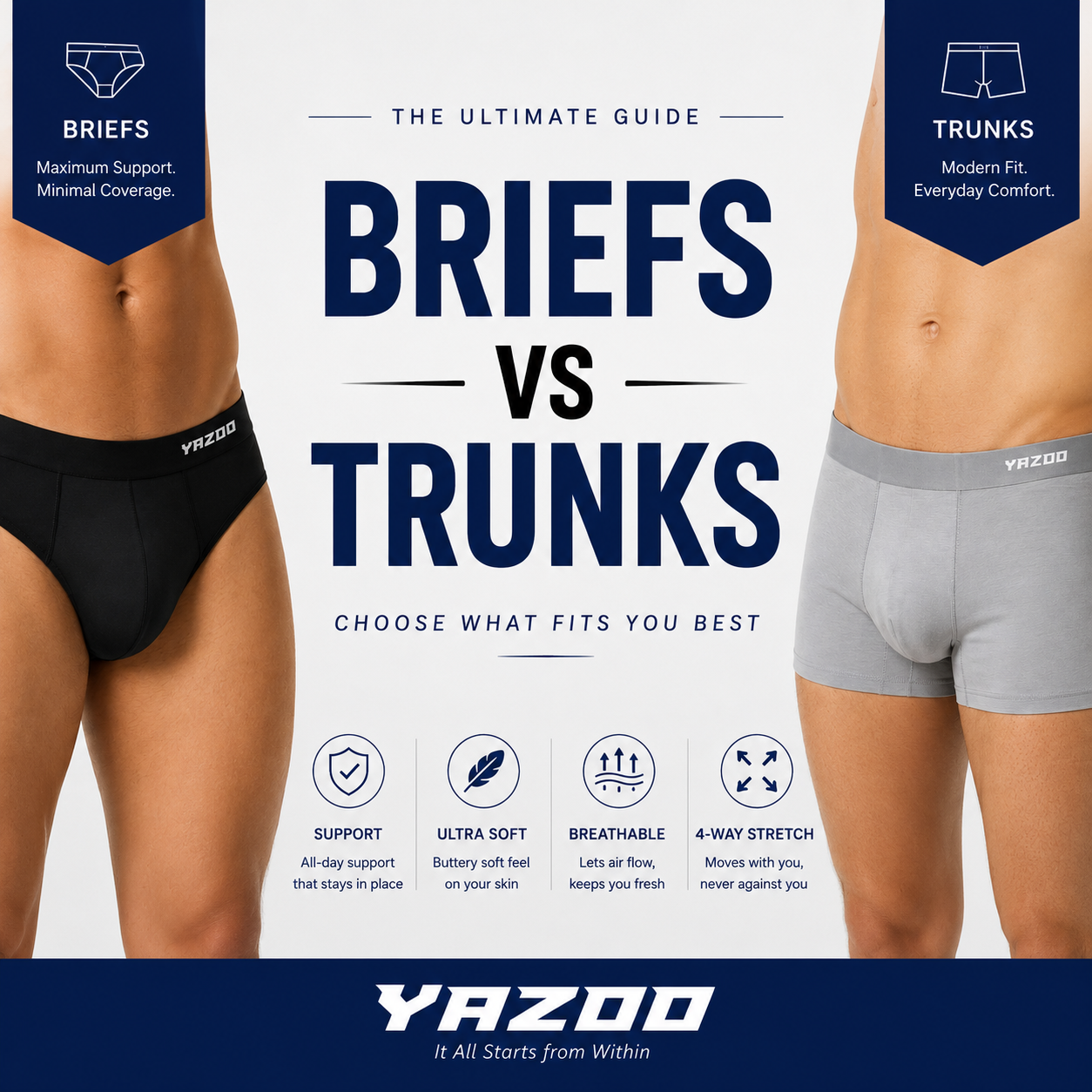
- Briefs offer minimal fabric coverage, which can help in extreme humidity by reducing the surface area that stays damp.
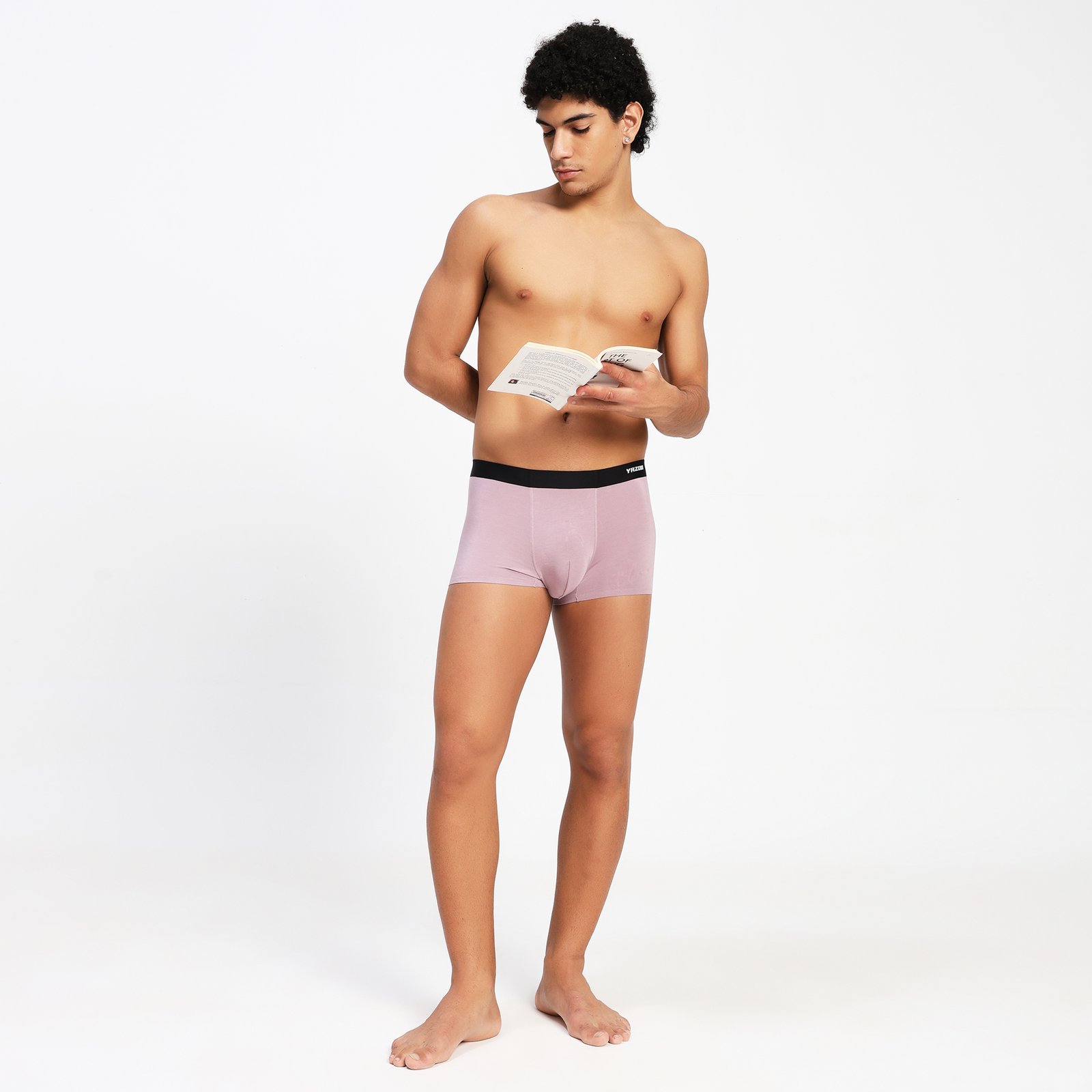
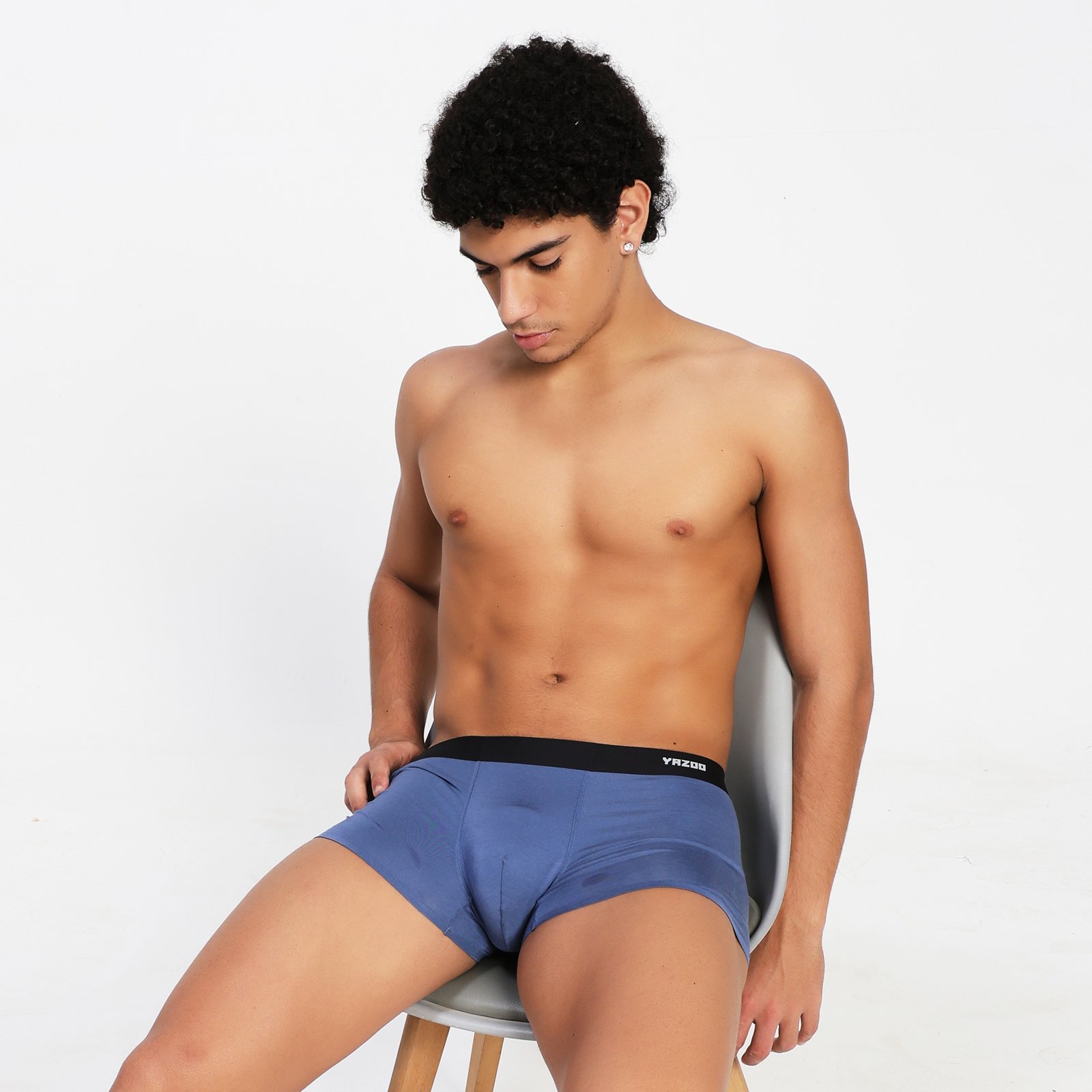
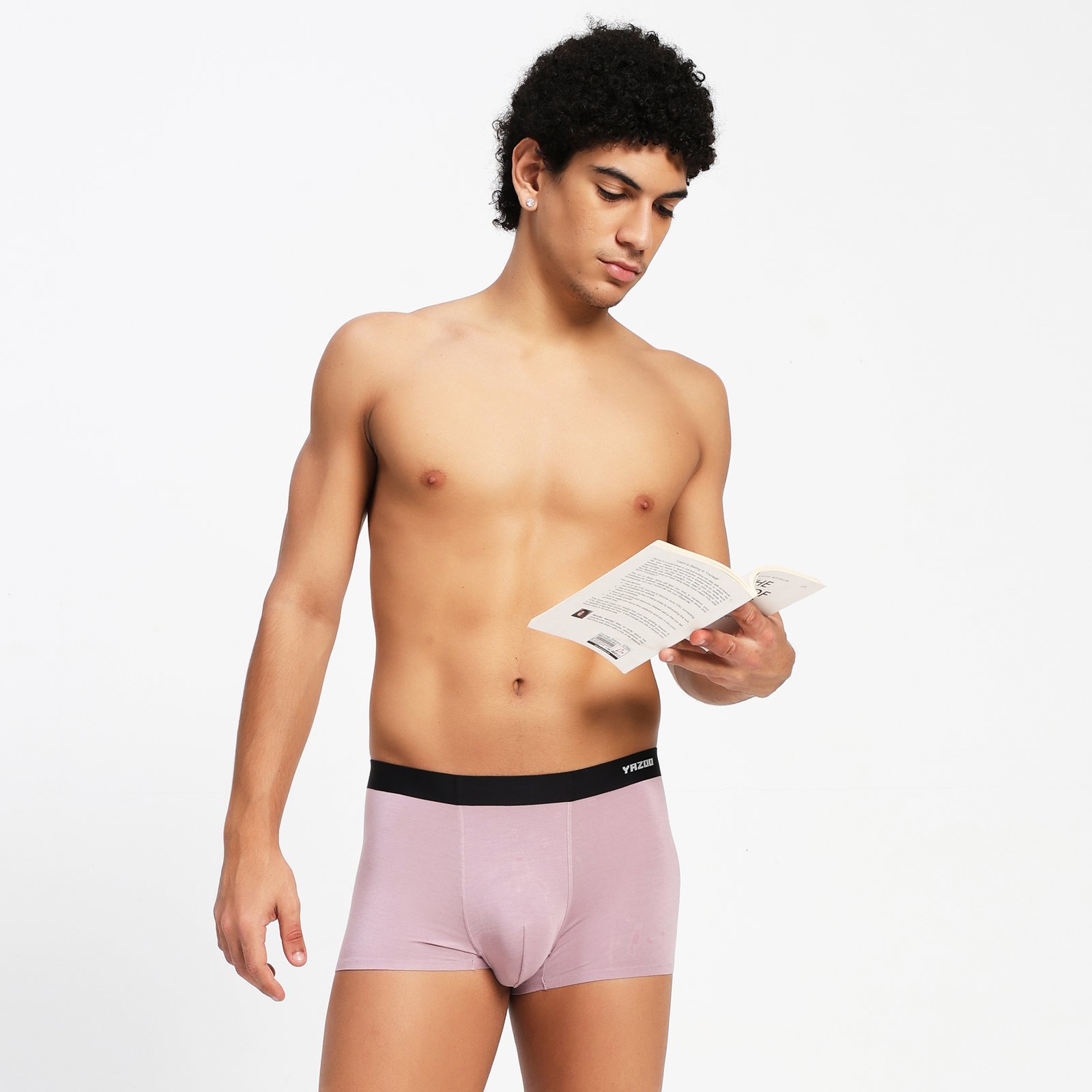
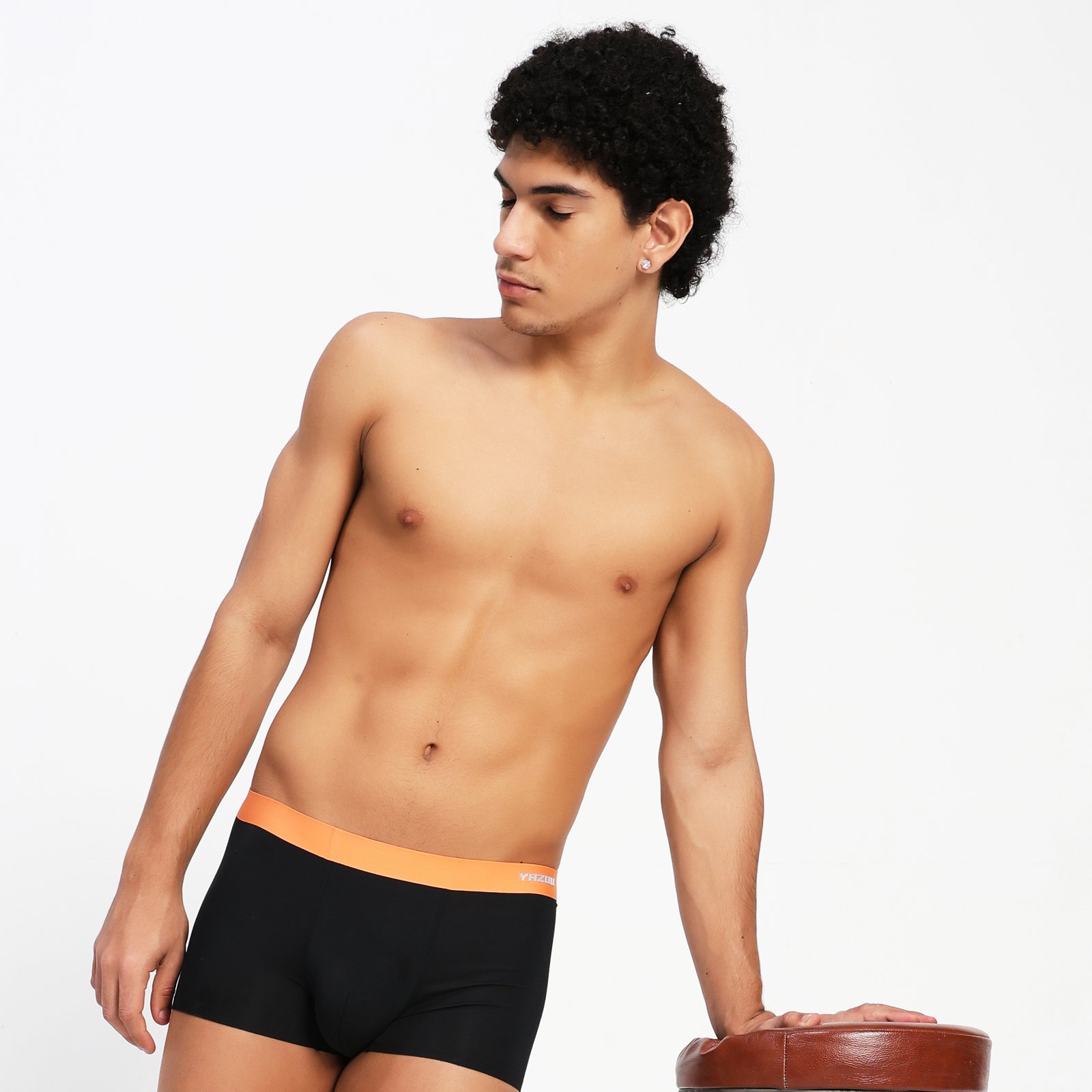
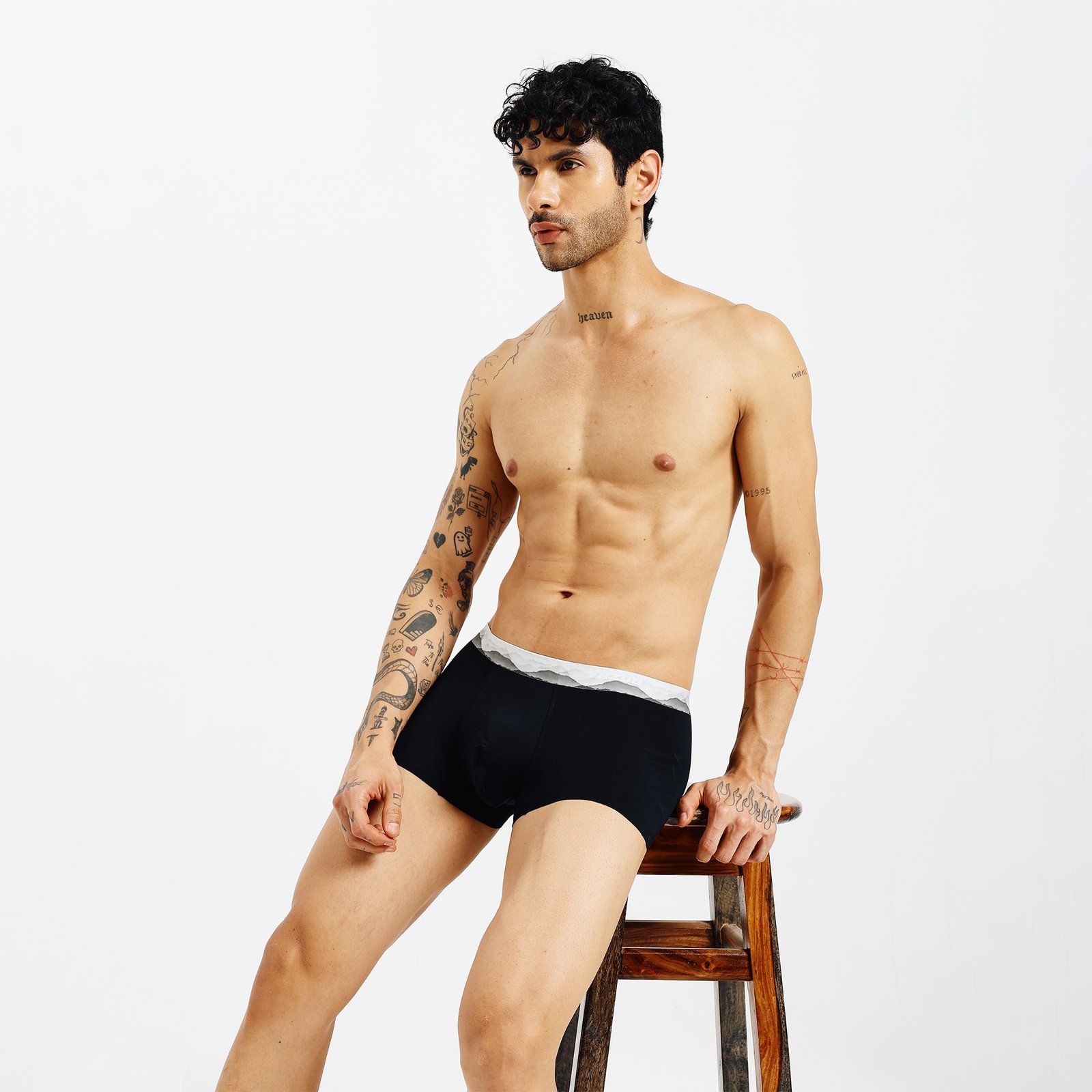
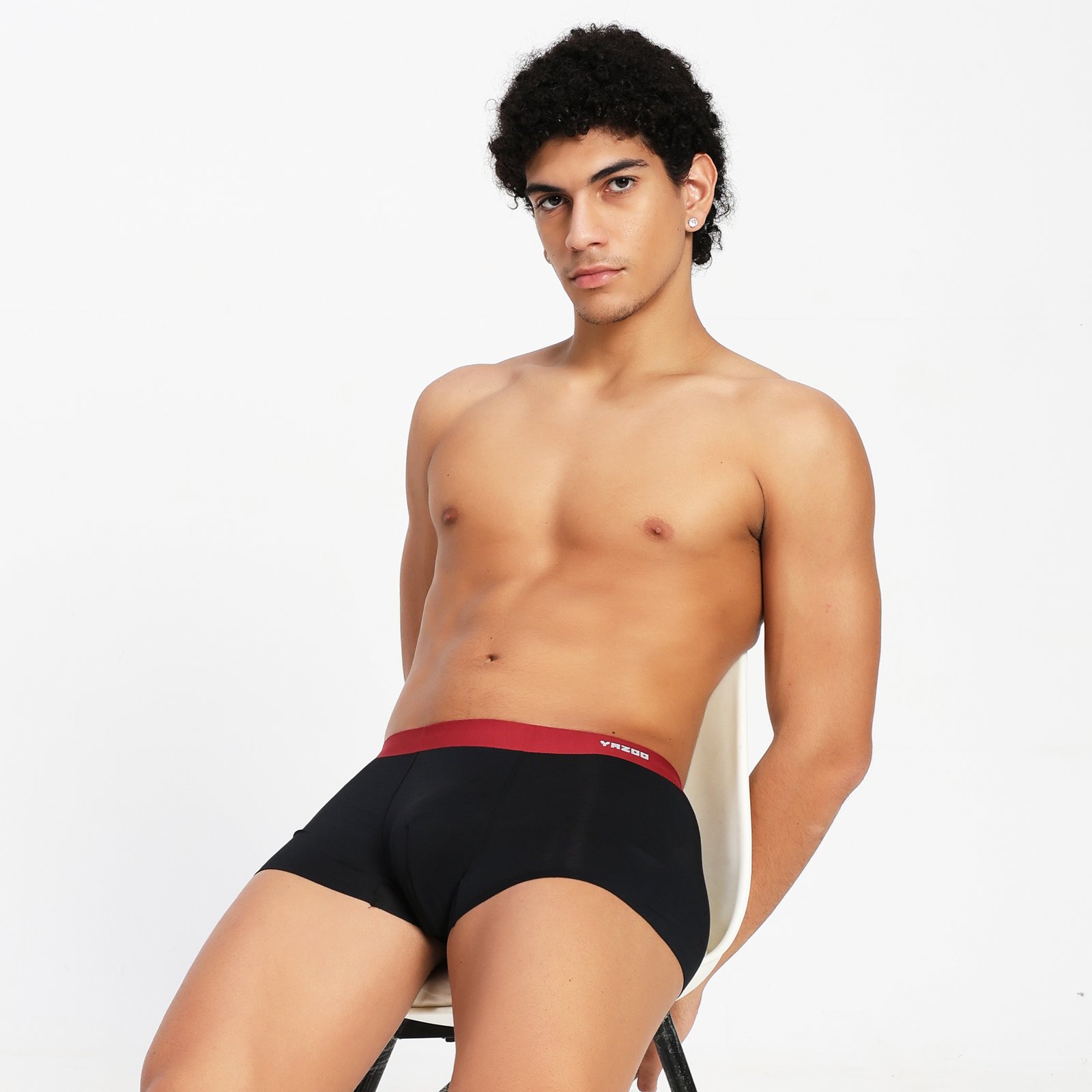
- Trunks offer a touch more coverage while still allowing airflow, provided the fabric is genuinely breathable — a good middle ground for most people.
If you’re unsure which suits you better in general, our briefs vs trunks guide covers the full comparison — the monsoon-specific factor is simply weighting breathable fabric more heavily than usual.
Fabric Comparison for Humid Weather
| Fabric | Breathability | Dry Time | Moisture Retention |
|---|---|---|---|
| Heavy cotton | Moderate | Slow | High |
| Non-breathable synthetic | Low | Moderate | High |
| Modal blend | High | Fast | Low |
Care Tips During Monsoon
A few adjustments that help during the wettest months:
- Rotate through more pairs than usual so nothing sits damp in a hamper for days between washes.
- Dry indoors with airflow (a fan or well-ventilated room) when outdoor line-drying is unreliable due to humidity.
- Avoid over-washing in hot water, which wears out elastic faster — lukewarm water is usually sufficient.
- Store only fully dry pairs — packing away slightly damp fabric encourages odor and mildew.
FAQs
What is the best innerwear fabric for monsoon season?
A breathable, moisture-wicking fabric like a modal blend generally performs best, since it dries faster and traps less moisture than heavy cotton or non-breathable synthetics.
Should I wear tighter or looser innerwear in humid weather?
A snug, seamless fit tends to reduce chafing better than loose fabric, which shifts and rubs more as it becomes damp.
How often should I change innerwear during monsoon?
More frequently than in dry weather if you’re sweating heavily or getting caught in rain — having enough pairs in rotation matters more during humid months.
Can cotton underwear cause fungal infections in humid weather?
Cotton itself isn’t the problem, but its slow drying time means moisture stays against skin longer, which creates conditions where fungal or bacterial issues are more likely to develop. Faster-drying fabrics reduce this risk.
Is modal fabric actually better than cotton for monsoon, or is that just marketing?
It comes down to fiber structure — modal fibers are more absorbent and release moisture faster than cotton, so a modal blend genuinely dries quicker and traps less dampness against skin, which matters specifically in humid conditions.
How can I make innerwear dry faster during monsoon when it’s too humid to line-dry outside?
Dry indoors near a fan or in a well-ventilated room, avoid overcrowding the drying rack so air can circulate around each piece, and choose a fabric that’s quick-drying by nature rather than relying on drying conditions alone.
Does tighter-fitting innerwear make you sweat more in humid weather?
Not inherently — a snug, seamless fit in breathable fabric usually causes less irritation than loose fabric that shifts and traps pockets of moisture. The fabric’s breathability matters more than how snug the fit is.
Final Word
The best innerwear for monsoon weather comes down to breathable, quick-drying fabric more than any particular style. If your current rotation is heavy cotton or non-breathable synthetic, monsoon season is a good time to switch — browse Yazoo’s briefs and trunks in plain or printed styles, all built in breathable modal fabric. And if it’s been a while since you checked, make sure you’ve got your size right and know when it’s time to replace a worn-out pair before the season sets in.