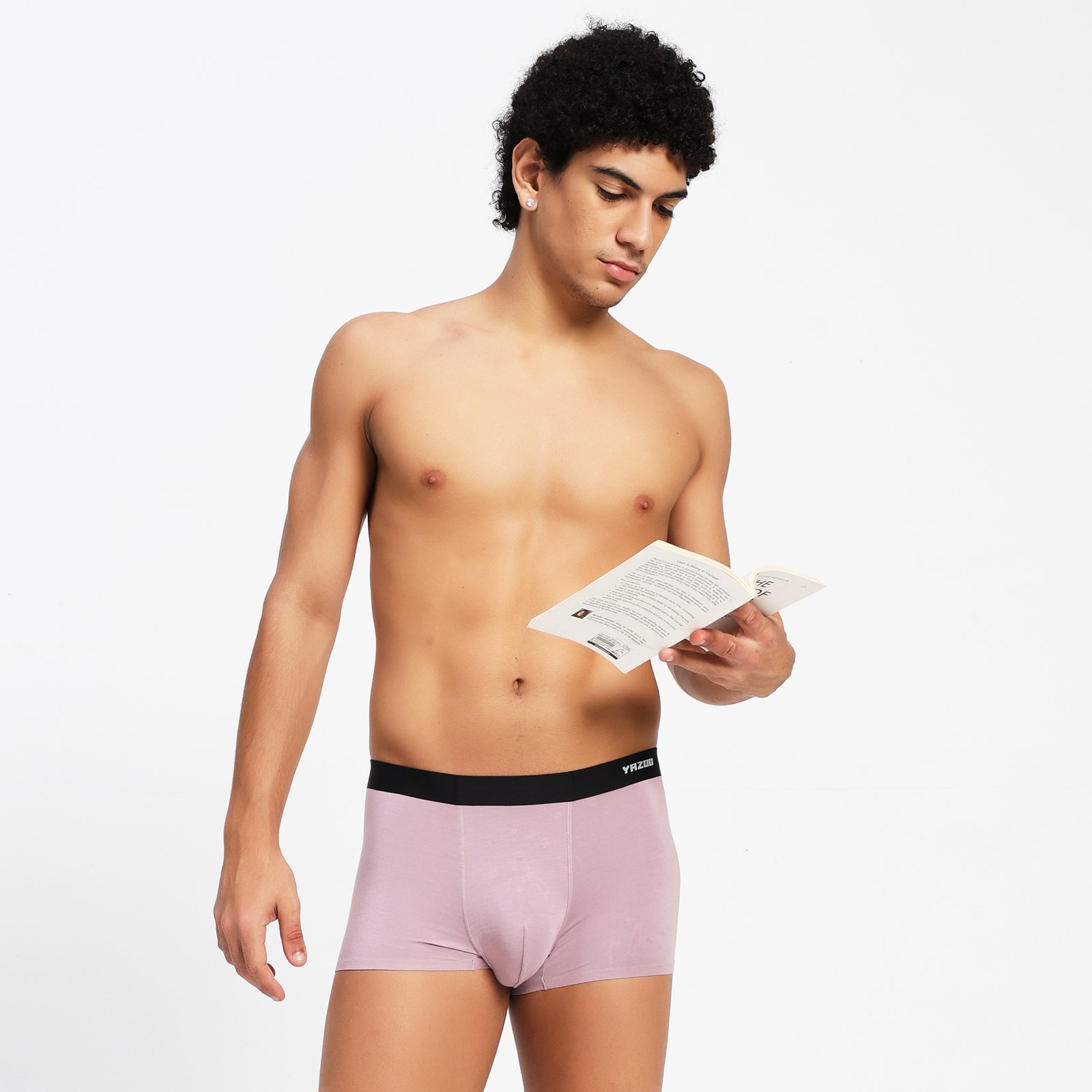

Why More Indian Men Are Switching from Cotton to Modal Fabric
For decades, cotton was the default answer to “what underwear fabric is best” — and for good reason, it’s breathable, familiar, and widely available. But a real shift has been happening: more Indian men are moving toward modal fabric for their everyday innerwear, and it isn’t just a marketing trend. There are specific, practical reasons cotton’s decades-long default status is being challenged, particularly in India’s climate.
Here’s what’s actually driving the shift, and whether it makes sense for you too.
In This Guide
- Cotton’s Long-Standing Default Status
- What Changed: Why Modal Is Gaining Ground
- Modal vs Cotton: The Core Differences
- Why This Shift Matters More in India Specifically
- Is the Switch Worth It for Everyone?
- How to Try Modal Without Fully Committing
- FAQs
Cotton’s Long-Standing Default Status
Cotton became the standard innerwear fabric for understandable reasons — it’s breathable, soft, widely produced, and generally affordable. For a long time, “100% cotton” was treated as shorthand for quality, and there wasn’t much mainstream alternative to compare it against.
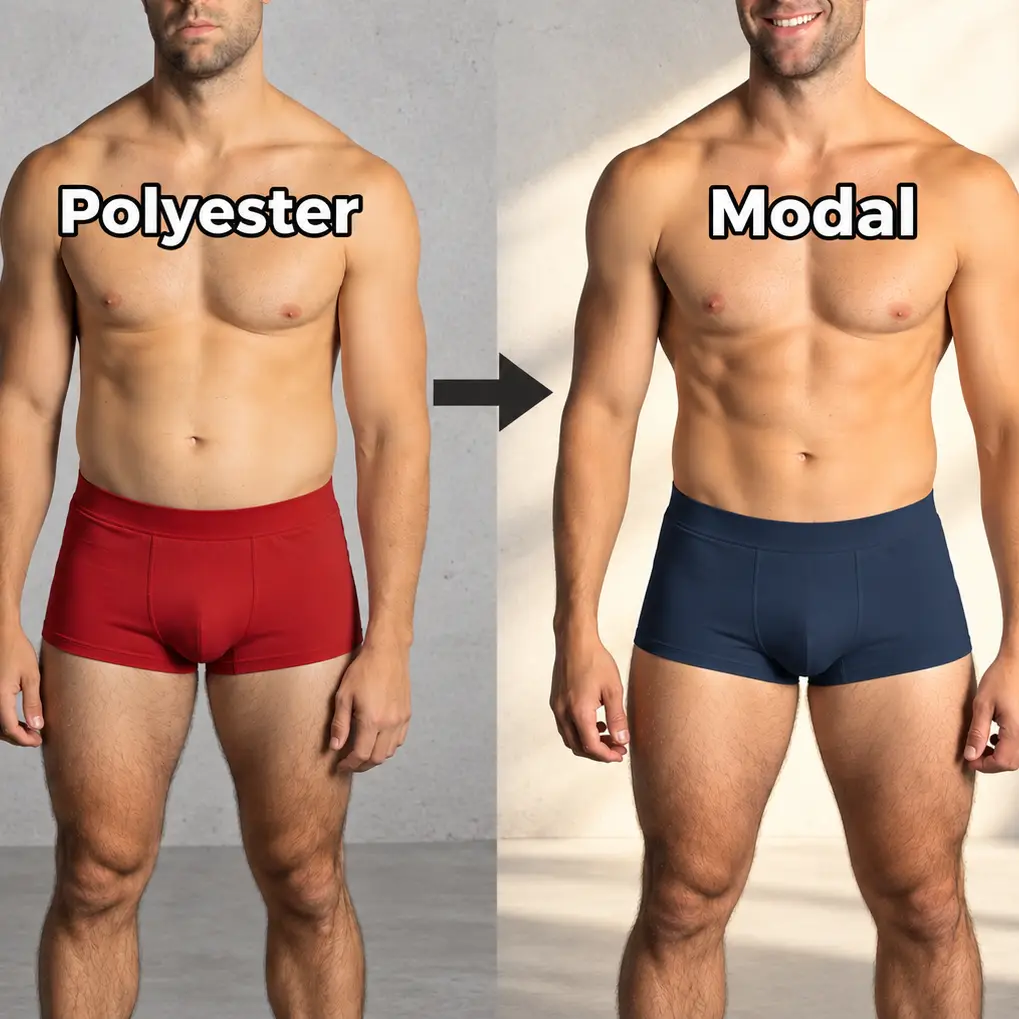
That default status made sense when the alternatives were mostly synthetic blends that traded softness for durability. Modal changes that comparison entirely, since it isn’t a synthetic — it’s a semi-synthetic fiber derived from beech tree pulp, offering a different set of trade-offs than either cotton or fully synthetic fabric.
What Changed: Why Modal Is Gaining Ground
A few concrete factors are driving the shift toward modal fabric:
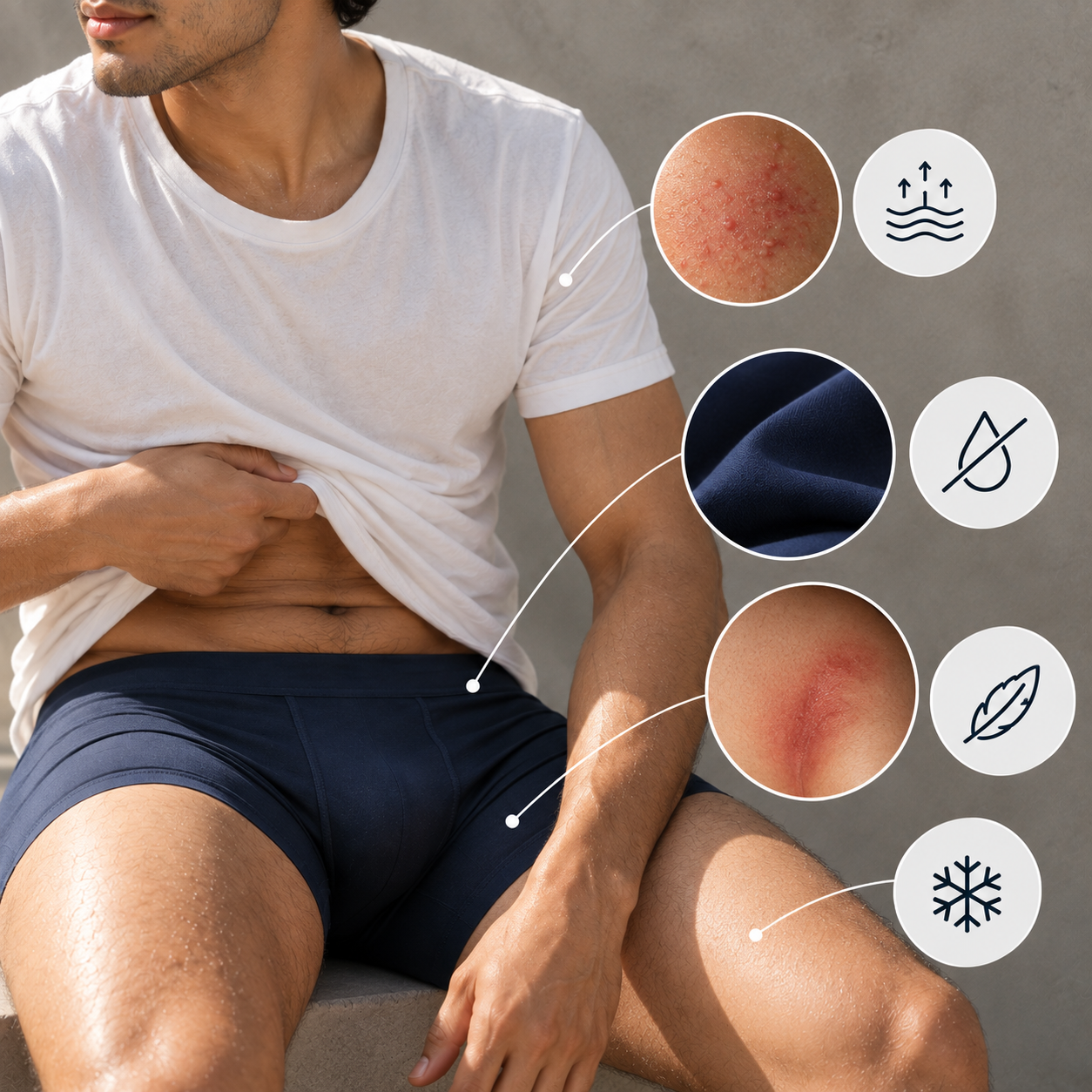
- Better moisture management — modal absorbs and releases moisture more efficiently than cotton, which matters significantly in India’s heat and humidity.
- Faster drying — modal dries noticeably quicker than heavier cotton, both on the body and after washing.
- Softer feel that holds up over time — modal tends to stay soft through repeated washing better than budget cotton, which can roughen with wear.
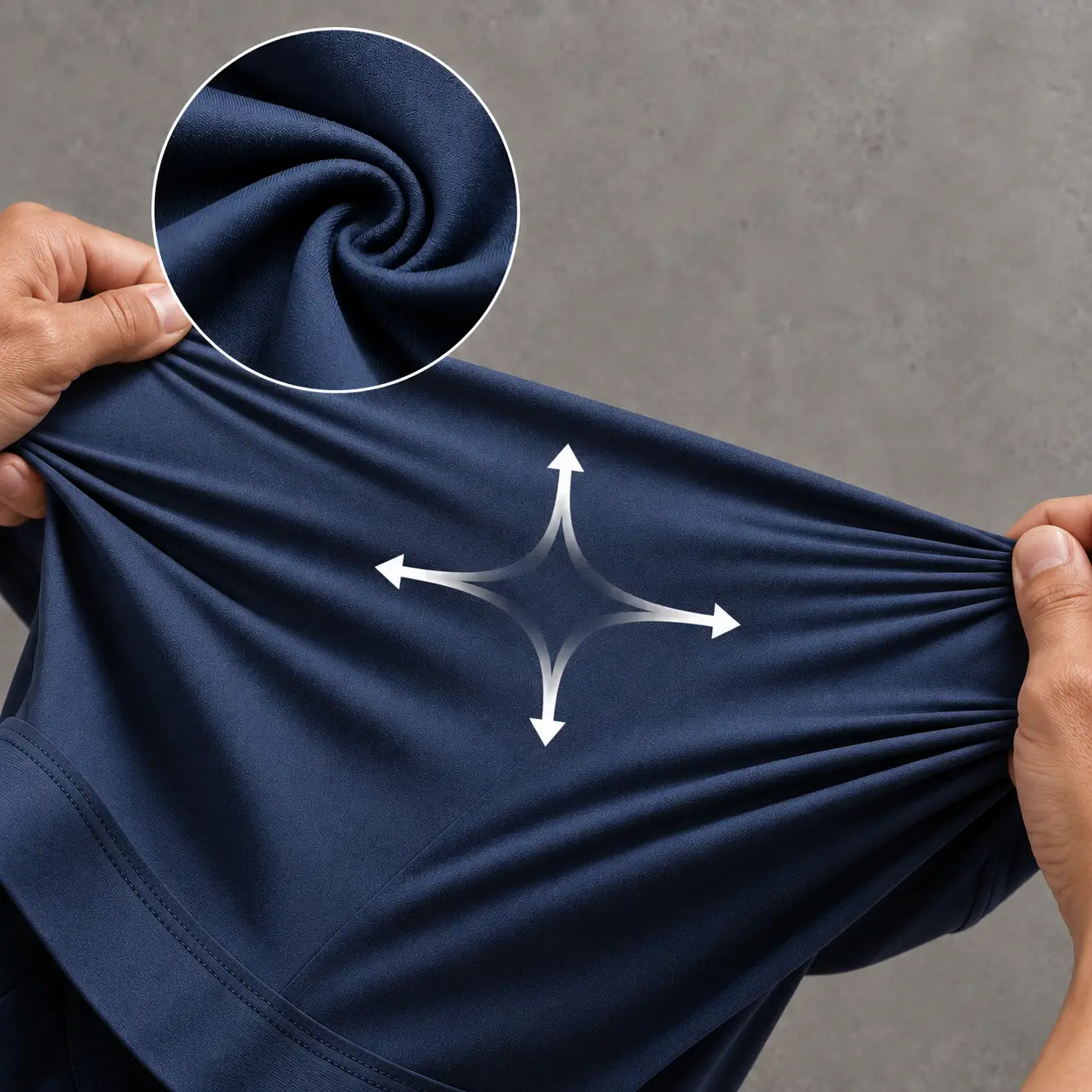
- Better stretch and recovery when blended with elastane — modal blends typically offer smoother 4-way stretch than standard cotton.
- Increased availability and awareness — as more Indian brands have adopted modal, it’s become easier to find and better understood by shoppers who previously only knew cotton.
Modal vs Cotton: The Core Differences
| Factor | Cotton | Modal |
|---|---|---|
| Breathability | Good | Very good |
| Moisture-wicking | Moderate | Strong |
| Drying time | Slower | Faster |
| Softness over time | Can roughen with wash cycles | Tends to stay soft longer |
| Stretch (in blends) | Moderate | Generally smoother, better recovery |
| Familiarity | Very high | Growing |
For a deeper breakdown specifically on summer performance, our Modal vs Cotton Underwear guide covers the comparison in more detail.
Why This Shift Matters More in India Specifically
India’s climate makes the cotton-vs-modal difference more noticeable than it might be in cooler, drier regions:
- Extended heat and humidity across most of the year means moisture management matters more than in temperate climates.
- Monsoon season specifically exposes cotton’s slower drying time as a real practical drawback, not just a minor inconvenience.
- Daily temperature swings — AC offices, hot commutes, humid evenings — put more varied demand on fabric than a stable climate would.
This is part of why the shift toward modal has been particularly visible in India compared to markets with milder, more consistent weather.
Is the Switch Worth It for Everyone?
Not necessarily as an all-or-nothing decision. A few honest considerations:
- If you sweat heavily or live somewhere hot and humid most of the year, modal’s moisture management offers a genuinely noticeable improvement.
- If comfort and softness matter more to you than price, modal blends typically offer a better feel, though usually at a modest price premium over basic cotton.
- If you’re happy with your current cotton innerwear and don’t experience issues with heat or moisture, there’s no urgent need to switch — this is a preference and climate-fit decision, not a strict upgrade path.
How to Try Modal Without Fully Committing
If you’re cotton-only right now, there’s no need to replace your entire rotation at once:
- Start with one or two pairs to compare directly against your usual cotton pairs over a few weeks.
- Test it specifically during a hot or humid stretch, since that’s where the difference tends to be most noticeable.
- Pay attention to drying time and how it feels by the end of a full day, not just how it feels fresh out of the packet.
Once you’ve compared it directly, it becomes a much easier decision than choosing based on marketing claims alone.
FAQs
Is modal fabric actually better than cotton, or is it just marketing?
It comes down to fiber structure — modal genuinely manages moisture and dries faster than cotton due to its fiber properties, which is measurable, not just a marketing claim.
Why is the switch to modal more noticeable in India specifically?
India’s extended heat, humidity, and monsoon season make moisture management and drying time more practically relevant than in cooler, drier climates.
Is modal fabric more expensive than cotton?
Generally yes, modestly — it typically costs more to produce than basic cotton, which is usually reflected in a small price premium.
Do I need to fully switch from cotton to modal?
No — many people transition gradually, trying a few pairs alongside their existing cotton rotation before deciding how much to switch.
Does modal fabric feel different from cotton right away?
Yes, most people notice a softer, smoother feel immediately, with the moisture and drying differences becoming more apparent over a full day of wear, especially in heat.
Final Word
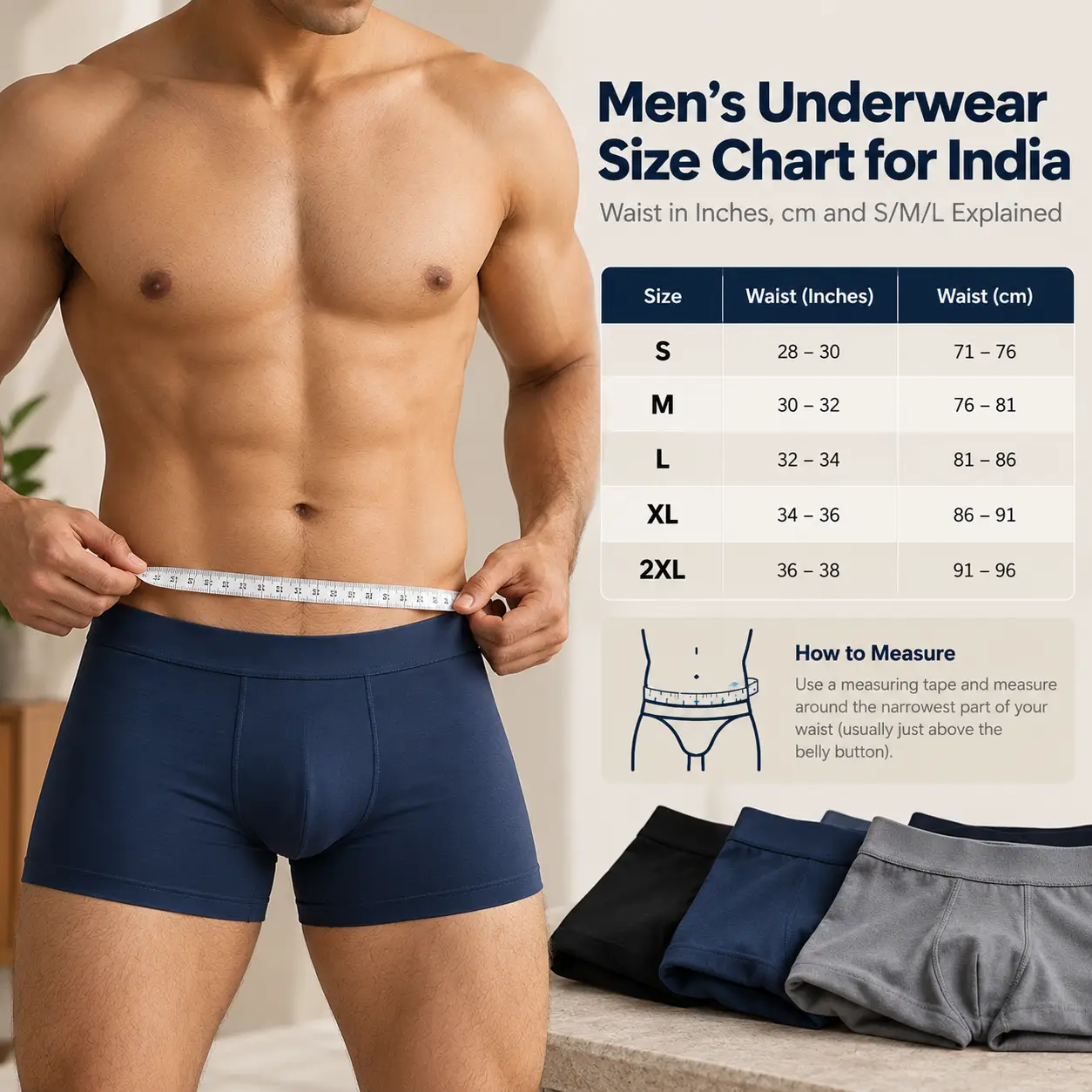
The shift from cotton to modal fabric isn’t just a trend for its own sake — it reflects real differences in how the two fabrics perform, particularly in India’s climate. If you’re curious, browse Yazoo’s shop to try modal for yourself, and check our full modal vs cotton comparison for a deeper look at the differences. Make sure you’ve got your size right before you order.