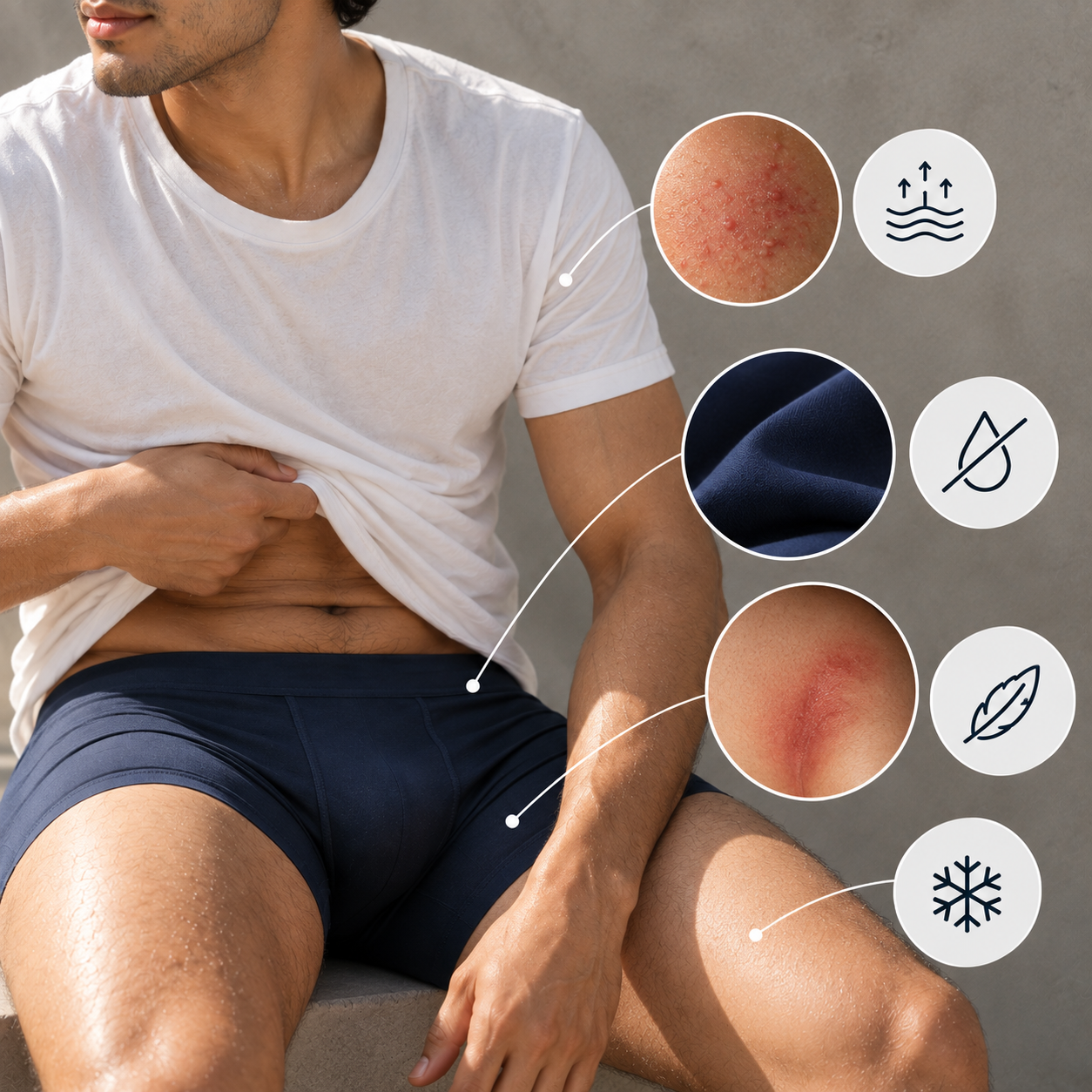
How to Stop Chafing and Heat Rash in Humid Indian Weather
Chafing and heat rash are two of the most common — and most avoidable — discomforts during India’s hot, humid months. Both come down to the same root causes: trapped moisture, friction, and fabric that doesn’t let skin breathe. Knowing how to prevent chafing and heat rash means addressing those causes directly, rather than just treating irritation after it starts.
Here’s what actually causes it, and the practical changes that make the biggest difference.
In This Guide
- What Causes Chafing and Heat Rash
- The Role of Fabric Choice
- The Role of Fit
- Daily Habits That Help Prevent Both
- When Chafing or Rash Won’t Go Away
- Quick Prevention Checklist
- FAQs
What Causes Chafing and Heat Rash
Both issues share overlapping causes, which is why prevention strategies overlap too:
- Chafing happens from repeated friction against skin, made significantly worse when skin is damp from sweat or humidity.
- Heat rash develops when sweat glands become blocked, often from a combination of heat, humidity, and fabric that traps moisture against skin rather than letting it evaporate.
- Humidity is the common multiplier — in dry heat, sweat evaporates and cools skin; in humid conditions, it stays put, keeping skin damp for much longer and increasing the risk of both problems.
The Role of Fabric Choice
Fabric is one of the biggest levers you have control over:
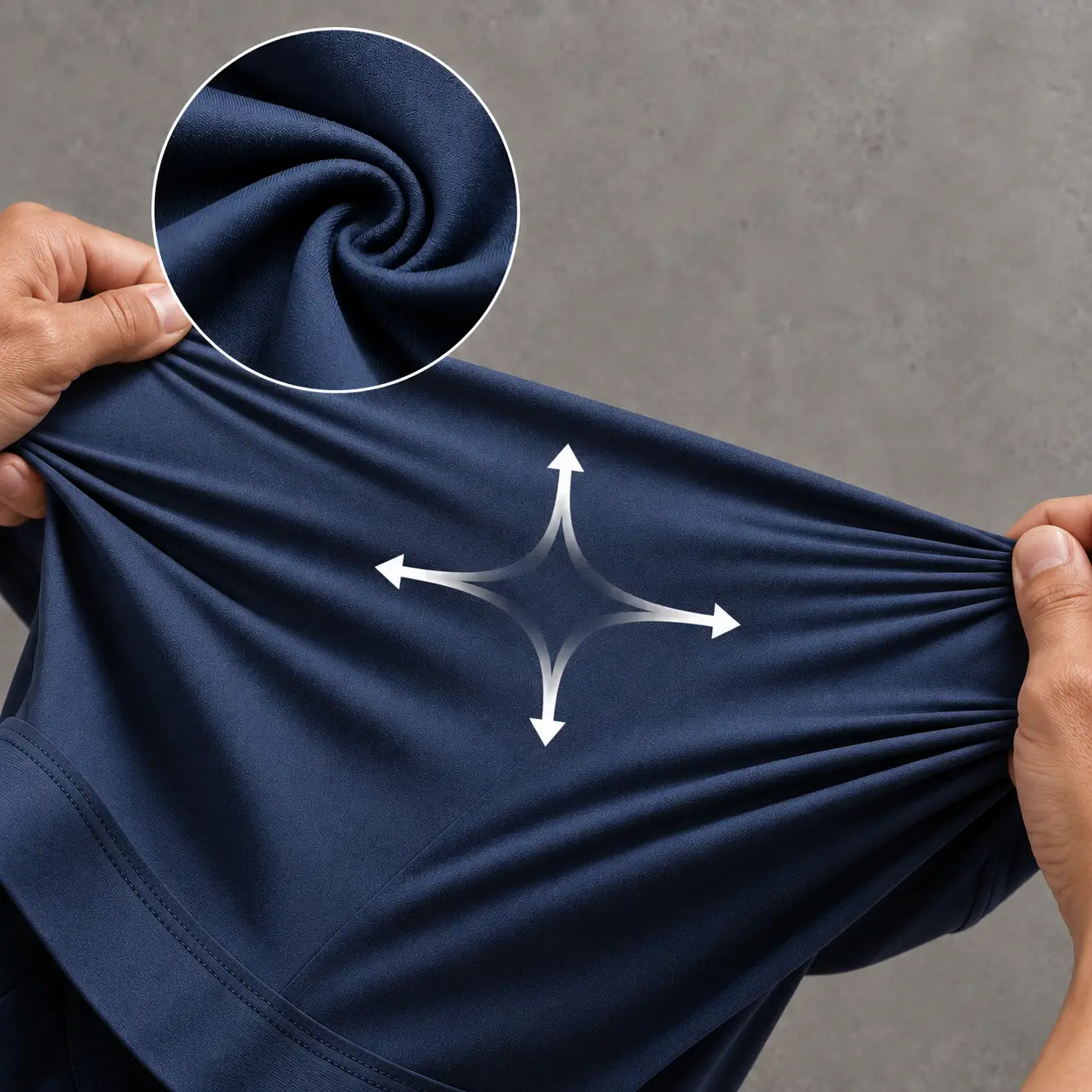
- Breathable, moisture-wicking fabric pulls sweat away from skin instead of trapping it, directly reducing the dampness that causes both chafing and heat rash.
- Heavy cotton absorbs moisture but dries slowly, meaning it often stays damp against skin for extended periods — worse than a fabric designed to wick and dry faster.
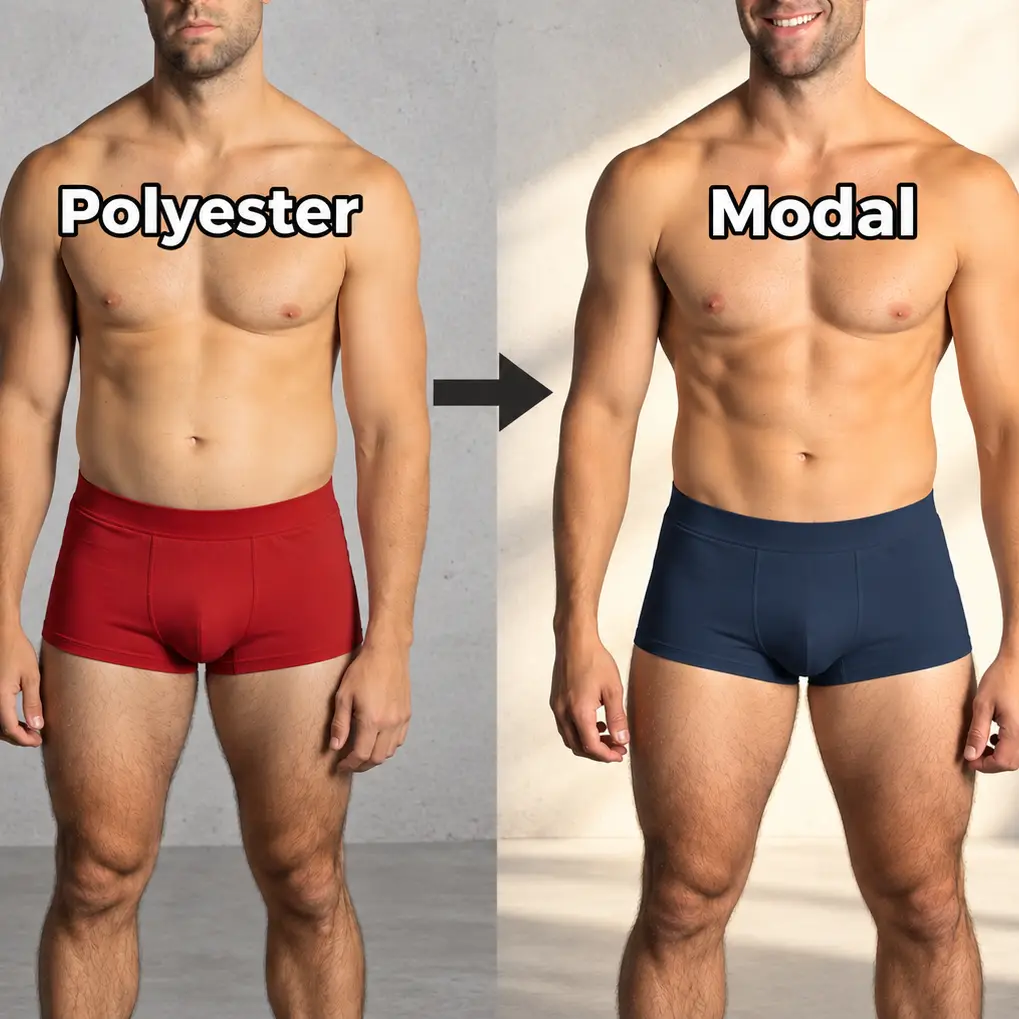
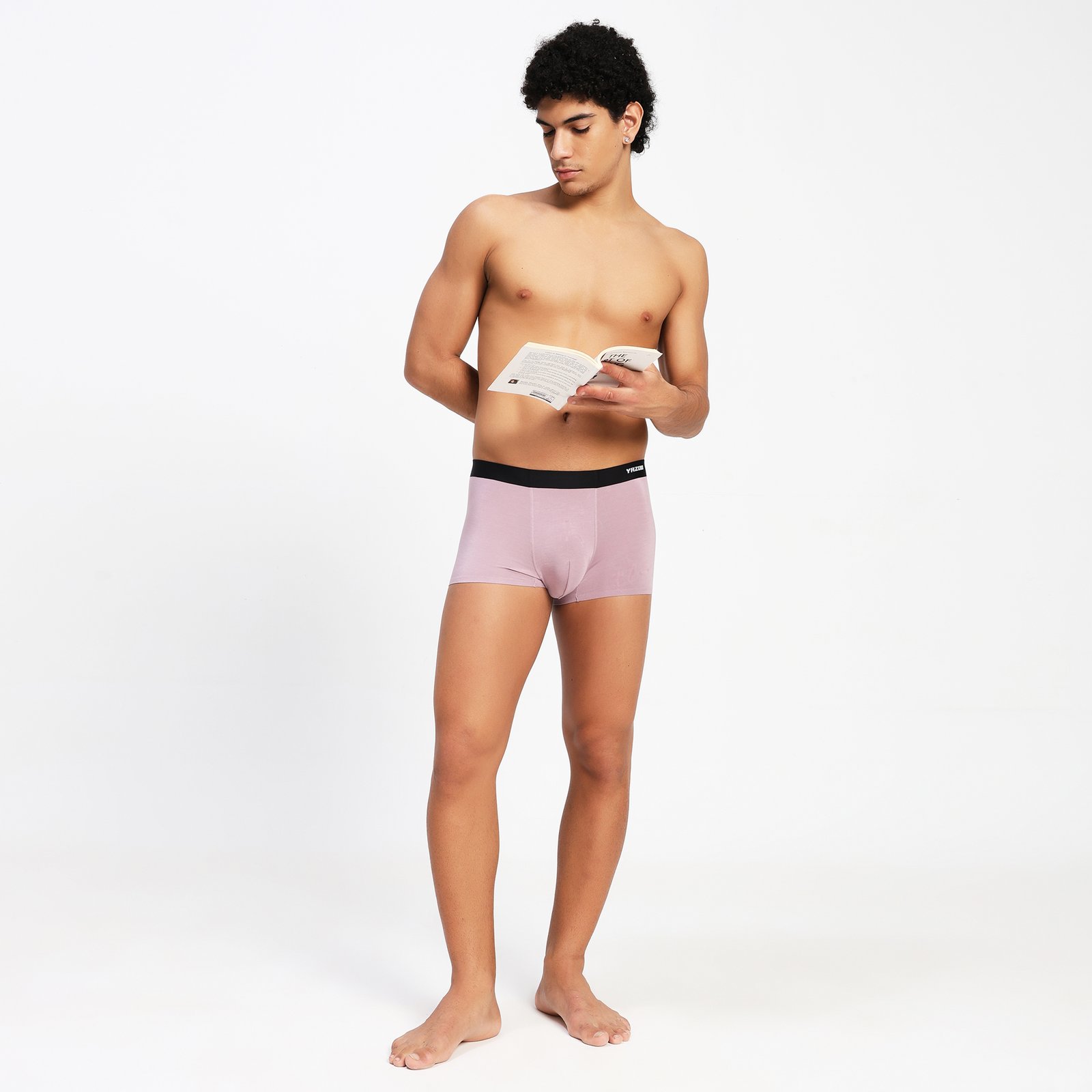
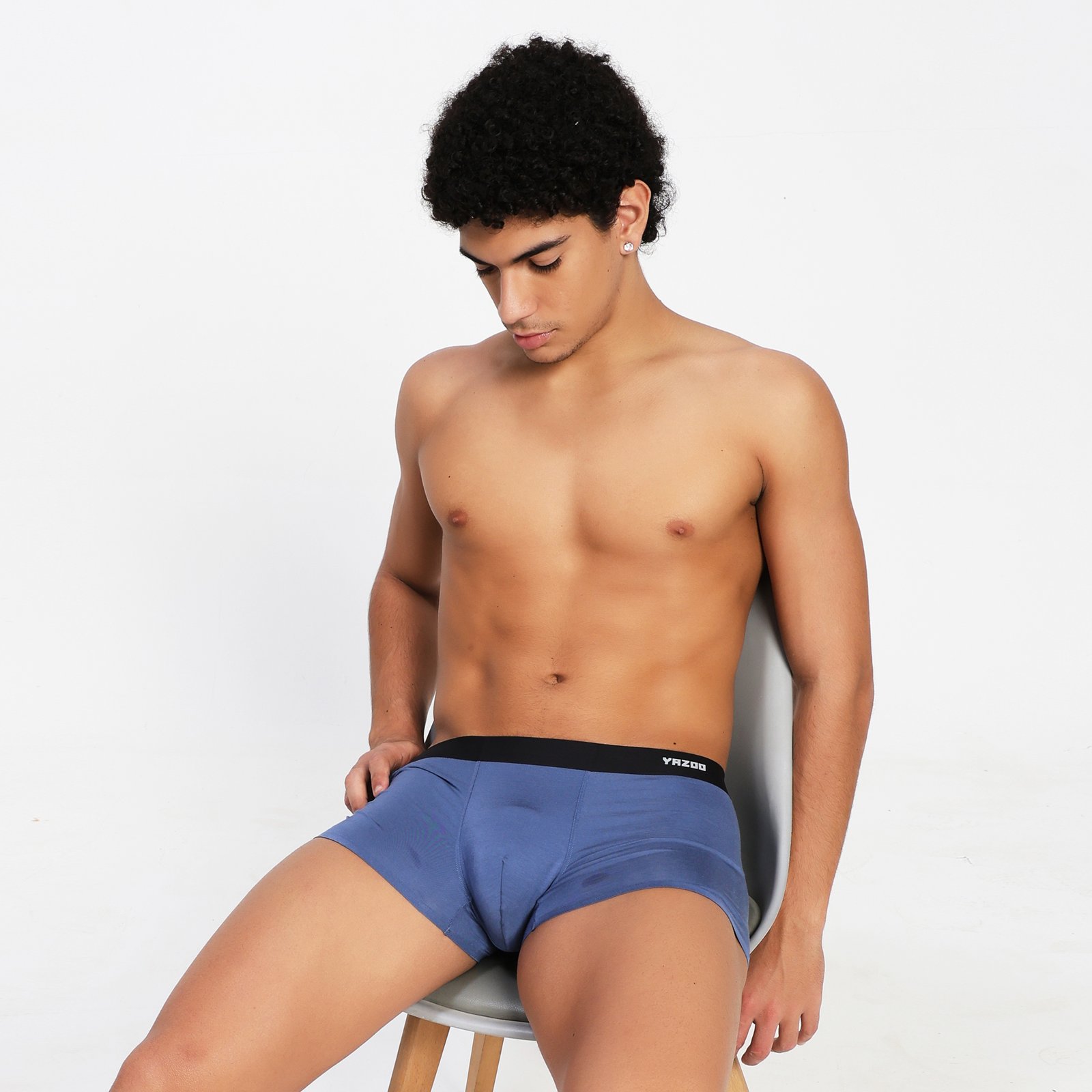
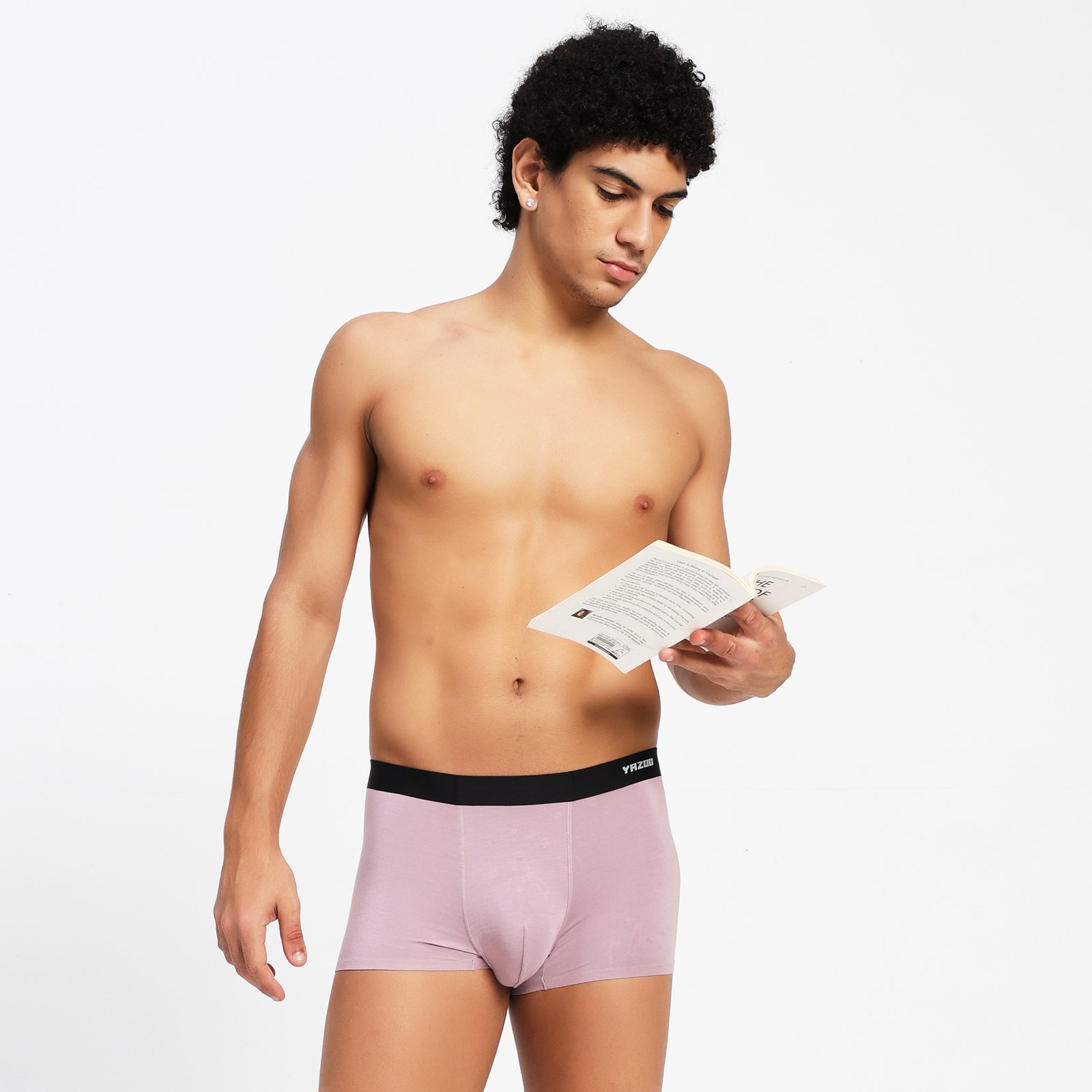
- A soft, quality blend like modal tends to perform better in humidity specifically, since it manages moisture more efficiently than plain cotton without sacrificing softness.
The Role of Fit
Fit affects friction directly:
- Overly tight fabric increases friction against skin, particularly in areas prone to chafing like inner thighs.
- Overly loose fabric can shift and rub more than a well-fitted piece, which sounds counterintuitive but creates its own friction pattern.
- Seamless construction reduces one of the most common friction points — raised stitched seams rubbing repeatedly against skin during movement. Our guide to seamless underwear covers this in more detail.
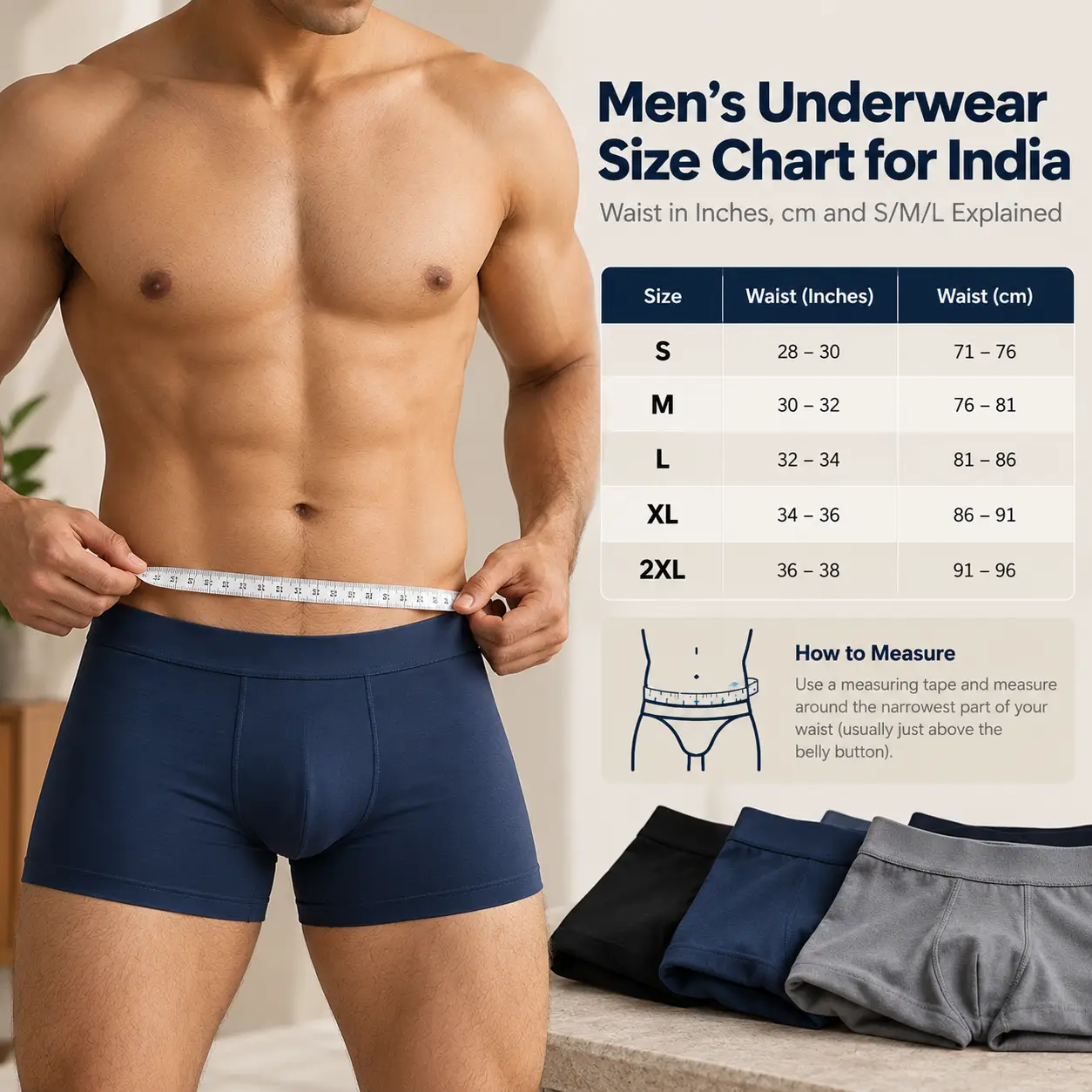
Getting fit right starts with accurate sizing — check our sizing guide if you’re unsure whether your current size is contributing to the problem.
Daily Habits That Help Prevent Both
A few practical habits that reduce risk during hot, humid months:
- Change out of sweat-damp clothing as soon as reasonably possible, rather than staying in it for hours.
- Shower and dry off thoroughly before dressing, particularly in skin folds and areas prone to friction.
- Choose breathable fabric on high-sweat days — commuting, outdoor activity, or particularly humid weather.
- Avoid heavy, occlusive lotions or creams in affected areas during humid weather, since they can trap moisture rather than let skin breathe.
- Rotate through enough clean, dry innerwear so you’re never reaching for something still slightly damp from a quick wash.
When Chafing or Rash Won’t Go Away
Most chafing and mild heat rash improve within a few days once the underlying moisture and friction causes are addressed. If irritation persists, worsens, spreads, or shows signs of infection (increasing pain, pus, fever), it’s worth seeing a doctor or dermatologist rather than continuing to self-manage — persistent skin irritation can have causes beyond simple friction and heat that are worth having properly assessed.
Quick Prevention Checklist
- Choose breathable, moisture-wicking fabric over heavy cotton on humid days
- Check that your innerwear is seamless and correctly sized
- Change out of sweat-damp clothing promptly
- Dry off thoroughly before dressing, especially in skin folds
- Rotate through enough clean pairs to avoid reaching for damp ones
- See a doctor if irritation persists or worsens despite these changes
FAQs
What’s the main difference between chafing and heat rash?
Chafing is caused by friction against skin, often worsened by moisture, while heat rash occurs when sweat glands become blocked, typically from a combination of heat, humidity, and trapped moisture.
Does fabric choice really make a difference in preventing chafing?
Yes, significantly — breathable, moisture-wicking fabric keeps skin drier than heavy cotton, directly reducing the dampness that contributes to both chafing and heat rash.
Can tight-fitting underwear cause chafing?
Yes, along with overly loose fabric that shifts and rubs — a snug, well-fitted, seamless style generally reduces friction better than either extreme.
How quickly does chafing usually improve once you fix the cause?
Mild chafing typically improves within a few days once friction and moisture are addressed; if it persists or worsens, it’s worth seeing a doctor.
Is heat rash more common in humid weather specifically?
Yes — humidity slows sweat evaporation, keeping skin damp for longer than it would in dry heat, which increases the risk of blocked sweat glands and irritation.
Should I change my daily fabric choice during monsoon and summer specifically?
It’s worth prioritizing breathable, quick-drying fabric more heavily during India’s hottest and most humid months, even if you’re less particular about it the rest of the year.
Final Word
Preventing chafing and heat rash during India’s humid months comes down to the same few fundamentals — breathable fabric, correct fit, seamless construction, and a few daily habits around moisture. Small changes, but they address the actual causes rather than just managing symptoms after they start. If your current rotation is heavy cotton or ill-fitting, browse Yazoo’s shop for breathable, seamless modal options, and check your size while you’re at it.
This article is for general comfort and prevention guidance. If irritation persists, worsens, or shows signs of infection, please consult a doctor or dermatologist.